Your B2B Portal Is Live. The Governance It Needs to Actually Work Isn't.
Digitizing the interface without digitizing the pricing decision creates invisible governance — and a polished portal only accelerates the journey to the breaking point.

TL;DR
- The biggest source of B2B buyer friction is not the interface: it is uncertainty about whether the price, delivery timeline, and agreed-upon exception are real.
- Digitizing the interface without digitizing pricing decisions creates invisible governance: negotiation continues over calls, texts, and in the salesperson’s memory—unseen by the ERP or any analysis.
- The right sequence is to structure commercial decisions first (pricing, credit, auditable exceptions), then improve the buyer experience; reversed, a polished portal only gets buyers to the point of friction faster.
- Operations that formalize rules in the system report functional implementation in weeks, not years, along with real productivity gains that do not depend on human availability.
The portal looked great. Prices were updated once a week.
A commercial director proudly showed the B2B portal the company had just launched: clean, fast, thoughtfully designed. When asked how pricing made its way into the portal, he paused.
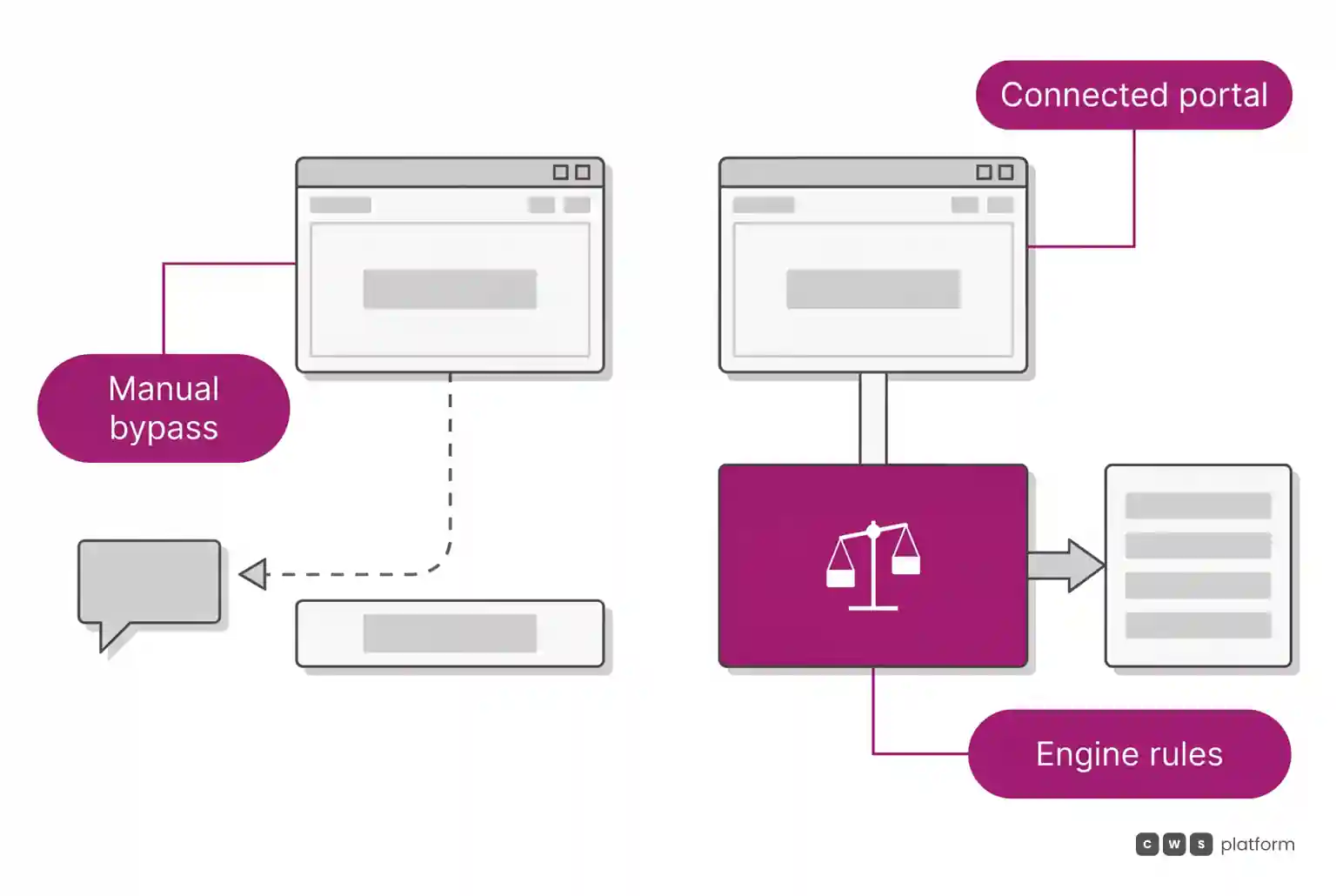
“The pricing team updates a spreadsheet. IT imports it once a week.”
And when a customer called on Thursday asking for special terms?
“The salesperson handles it outside the system, and we sort it out afterward.”
This account, published as a public case study (LI-036), is not an exception. It is the norm. Most distributors have digitized the interface. Few have digitized the decision. And the decision is where the risk, margin, and meaningful data reside.
When negotiation happens outside the system, it is invisible to the ERP, invisible to the CFO, and invisible to any future analysis. The polished portal exists, but the real commercial operation still runs through phone calls, WhatsApp, and the salesperson’s memory.
B2B friction is not visual. Why treat it that way?
B2B buyers do not stop because a button is in the wrong place. They stop because they do not have enough confidence to place an order without calling the salesperson, asking for confirmation, or waiting for someone to validate what the system should have already resolved.
The uncertainty comes down to three concrete questions:
- Whether that price applies to their volume and situation.
- Whether the promised delivery timeline is actually available or simply the salesperson’s estimate.
- Whether the agreed-upon exception was approved somewhere or became an informal promise.
The market responds to this friction with UX: a cleaner portal, faster checkout, a more attractive catalog. That response addresses the wrong symptom. The primary friction in B2B is decisional, not visual. This is not a design problem. It is a commercial governance problem.
When pricing logic by customer, volume, and context is not structured in the system; when exception approvals do not follow an auditable workflow; when credit and terms depend on relationship memory rather than rules: no UX layer can solve it. The analogy is straightforward: decorating a house with no foundation.
What gets left out when governance does not exist
The absence of structured commercial governance creates three simultaneous problems that digital-operation vanity metrics do not capture.
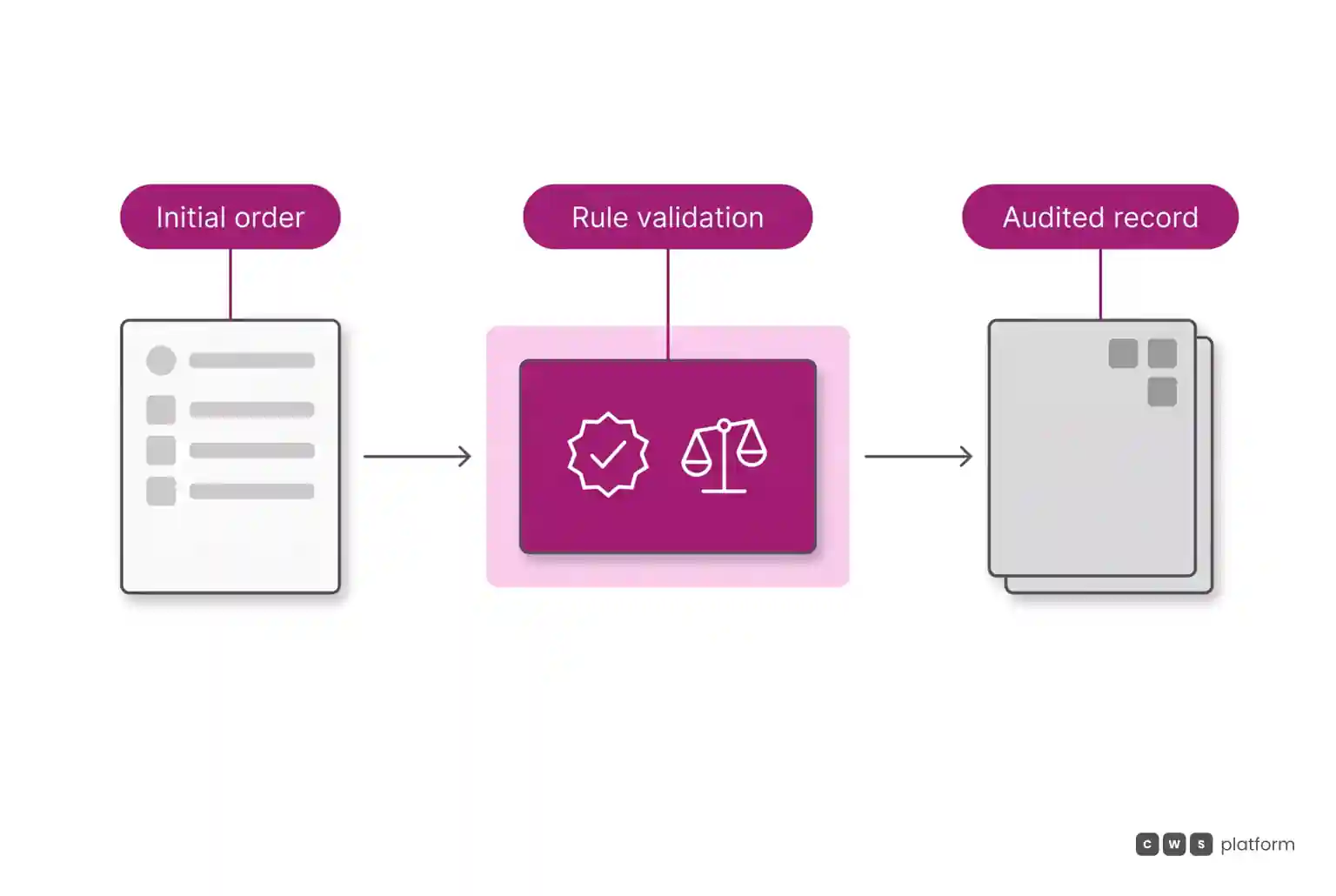
Invisible margin. When the salesperson “handles it outside the system” and “we sort it out afterward,” the pricing exception goes through no documented approval workflow. The discount happens, the sale closes, but the margin impact only appears in the aggregate—without traceability into who approved it, why, and for which customer.
Unusable data. The ERP receives the order after the fact. The negotiation that created it—with its volume, delivery timeline, history, and applicable policy context—was not captured anywhere. Any future analysis of profitability by customer, segment, or product begins with a structural gap in the data.
A permanent productivity bottleneck. In B2B operations, the bottleneck is rarely human capacity. It is the absence of formalized rules in the system. As long as pricing policy, credit, and exceptions remain in the salesperson’s head, response time depends on human availability rather than process. The buyer waits. The salesperson becomes an unintentional bottleneck. The operation cannot scale.
The sequence most companies reverse
There is a correct sequence for digital maturity in B2B operations: structure the decision first, then improve the experience.
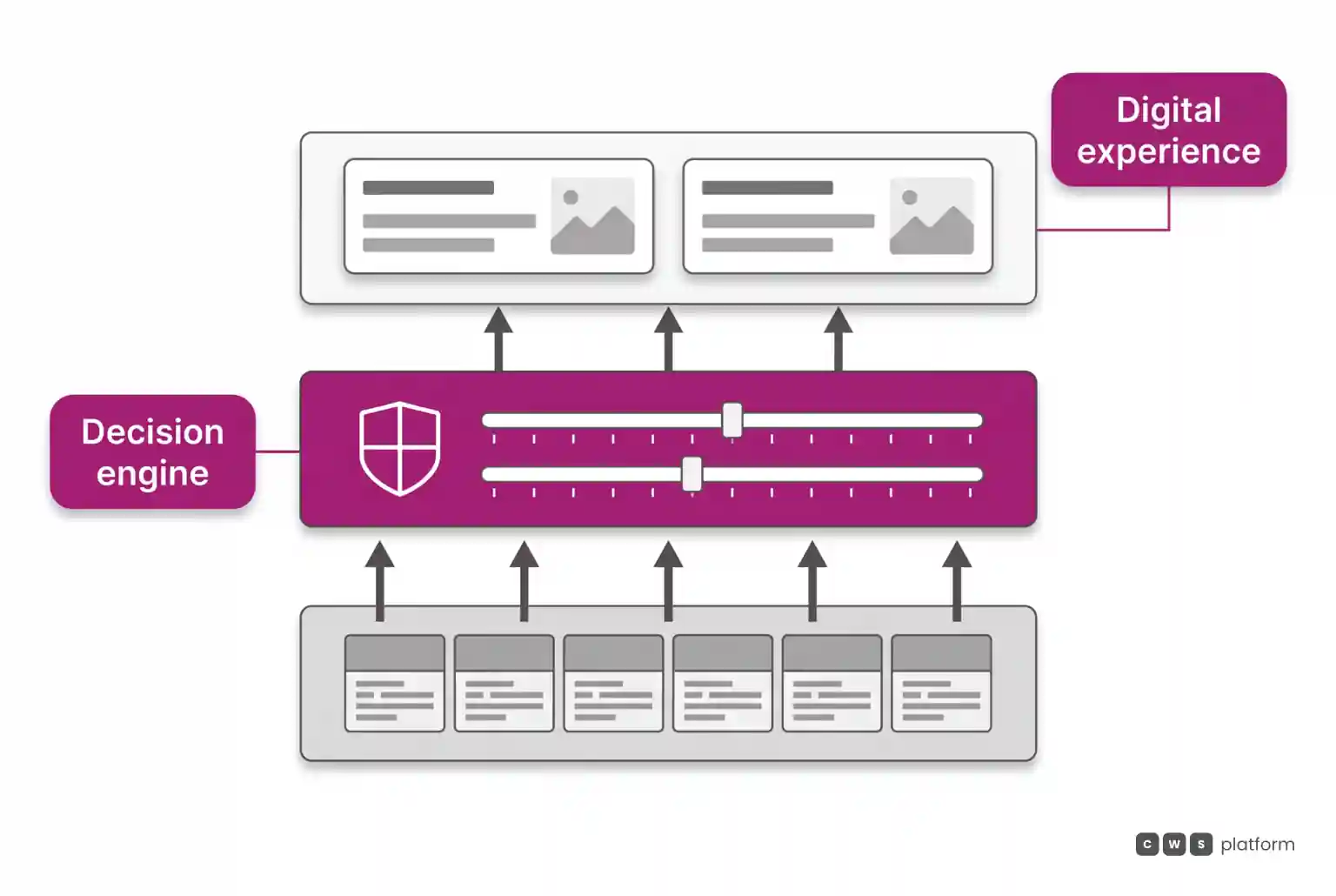
When reversed—as it is in most projects—the result is a functional portal that gets buyers to the point of friction faster. The buyer moves more quickly until the moment they need to call the salesperson to confirm the price. The UX improved. The problem did not.
Structuring the decision means moving into the system the rules that currently exist only as practice: pricing policy by customer and volume, credit limits and their conditions, and exception approval workflows with documentation and auditability. Price is not a static number in a catalog. It is the result of a negotiation with clear rules, documented context, and governance over every exception.
When this structure exists, UX has a foundation to work from. Buyers place orders without calling because the system has already resolved the uncertainty. Salespeople retain flexibility where they need it, within a workflow that records and makes every deviation auditable.
The cost of inaction
Every week that price negotiation takes place outside the system is a week of untraceable margin, uncaptured data, and management decisions made with incomplete information.
The cost does not appear as a line item on the income statement. It appears as an inability to answer basic questions: What is the actual margin by customer? Which customer is receiving more exceptions than is reasonable? Which salesperson is granting discounts outside policy? Without structured governance, these questions have no reliable answer.
And every new UX improvement project launched on top of this foundation only adds cost to the problem without addressing its cause.
Principles for those planning or reviewing their operation
- Before any interface improvement, map where pricing and credit decisions currently live: in the system or in people’s heads.
- Formalize exceptions as a workflow, not as a practice: every pricing or delivery-term exception needs documented, auditable approval.
- Treat commercial governance as a prerequisite for digitization, not as a consequence of it.
- Measure the success of digital operations not only by portal conversion rate, but by the percentage of orders closed without human intervention and by margin traceability.
- Scale is the result of rules in the system: when policy moves from the salesperson’s memory into the digital workflow, volume growth does not require proportional headcount growth.
FAQ
Does the B2B portal we already implemented need to be rebuilt?
Not necessarily. The interface can remain. What needs to be built or reviewed is the governance layer that feeds the portal: pricing rules, approval workflows, and credit limits. The sequence is to structure the decision and connect it to the existing portal.
Will commercial governance make salespeople too rigid?
The goal is not to remove flexibility. It is to make flexibility auditable. Salespeople can still negotiate exceptions; the difference is that the exception goes through a documented workflow with approval and traceability instead of happening outside any structure.
Is this feasible for small and midsize operations?
Yes. Governance complexity scales with the size of the operation. A midsize distributor with a reasonably clear pricing policy can formalize its rules in the system in significantly less time than typical ERP or portal projects suggest.
What is commercial governance in a B2B portal?
It is the rule structure that feeds the portal: pricing policy by customer and volume, credit limits and their conditions, and exception approval workflows with documentation and auditability. Without it, the portal digitizes the interface while the decision stays in phone calls, WhatsApp, and the salesperson's memory, invisible to the ERP. With it, buyers place orders without calling, because the system has already resolved the uncertainty about price, delivery timeline, and exceptions.
Those already experiencing it
“We had been trying to implement a B2B solution for nearly two years. With CWS, we went live in 60 days.”
Edivaldo C., verified reviewer, automotive industry, company with 201 to 500 employees. Published on Software Advice: https://www.softwareadvice.com/product/546664-CWS-Platform/
The relevant data point here is not the vendor. It is the timeline. Nearly two years of trying versus a 60-day implementation. In most cases reported in projects of this kind, the difference is having commercial governance structured before pushing the operation into digital channels.
A case that illustrates the point
In B2B operations, the productivity bottleneck is rarely human capacity. It is the absence of formalized rules in the system. When pricing policy, credit, and exceptions move from the salesperson’s head into the digital workflow, response time no longer depends on human availability. Buyers receive an answer because the system has the rule, not because a salesperson was available to confirm it. That is the real scalability gain that UX improvements alone cannot deliver.
About this publication
“The Cost of the Sale” is CWS Platform’s publication on B2B commercial operations: pricing governance, transaction cost, auditable decision-making, and what separates real digitization from surface-level digitization. CWS Platform is a B2B Commerce Platform for Governed Negotiation, built for operations that need commercial negotiation to be structured, traceable, and scalable—without relying on relationship memory or processes outside the system.
Sources
- LI-037 (CWS Platform original thesis): diagnosis of commercial governance as a prerequisite for B2B digitization; the thesis that UX without decision structure is vanity, and that the correct sequence is to structure the decision first, then improve the experience.
- LI-036 (CWS Platform public case): account from a commercial director describing a B2B portal with pricing updated once a week through a spreadsheet and exception negotiations taking place outside the system; illustrates how interface digitization precedes decision digitization in most operations.
- LI-038 (CWS Platform archive): analysis of the productivity bottleneck in B2B operations as the absence of formalized system rules, and the impact of moving pricing policy, credit, and exceptions from human memory into the digital workflow.
- Software Advice, CWS Platform profile: https://www.softwareadvice.com/product/546664-CWS-Platform/ - software review site featuring a verified testimonial from an automotive-industry user about implementation timeline.
"responsive, technically engaged, and willing to work through complex commercial rules (negotiated pricing, credit, customer-specific conditions) rather than pushing generic answers"
Want to see this in your operation?
Real B2B operations already run on it.