Growing Digital Conversion Without Sacrificing Margin Is Still a B2B Distribution Challenge
Promotions create defensible growth only when contextual pricing and margin governance are established before execution.
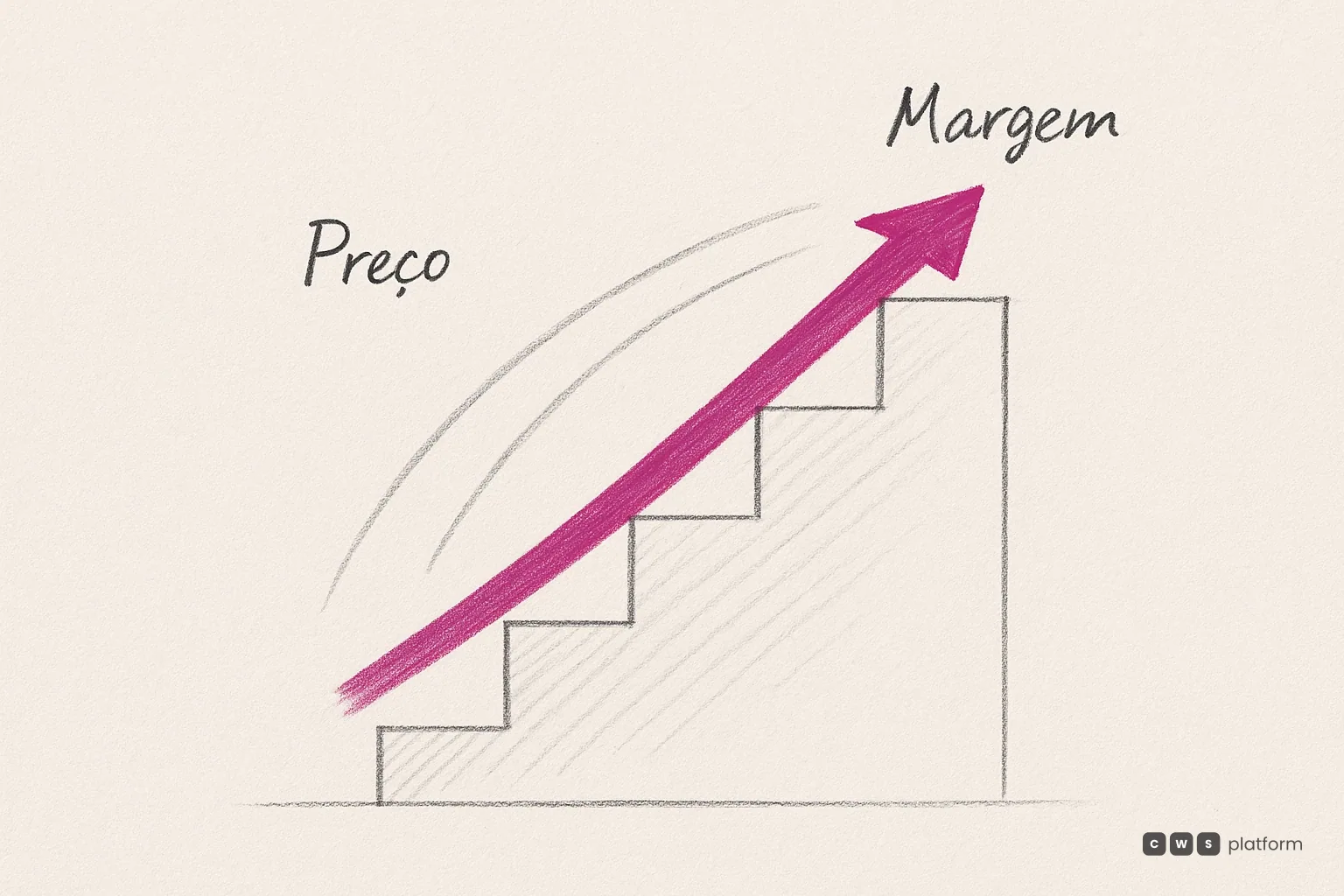
A distributor’s commercial leader knows the tension: the business needs to accelerate orders, but every promotion can create an exception that is difficult to control. If the offer is too conservative, conversion does not respond. If it is too aggressive, volume grows while margin becomes a question to be answered later.
A recent public case, identified as LI-043, shows that this is the wrong way to frame the choice. The distribution operation increased conversion without increasing its media budget. The result came from combining commercial terms programmed by segment and time window, contextual pricing for the buyer, and management visibility into margin impact.
The point is not simply to grant a discount. It is to decide, before execution, which condition can be presented, to which buyer, in which channel, region, and period.
TL;DR
- In B2B, a meaningful part of the buyer’s decision happens before speaking with a salesperson, which is why the price displayed in the digital channel directly affects conversion.
- Promotions without predefined rules can increase volume while also concealing margin erosion.
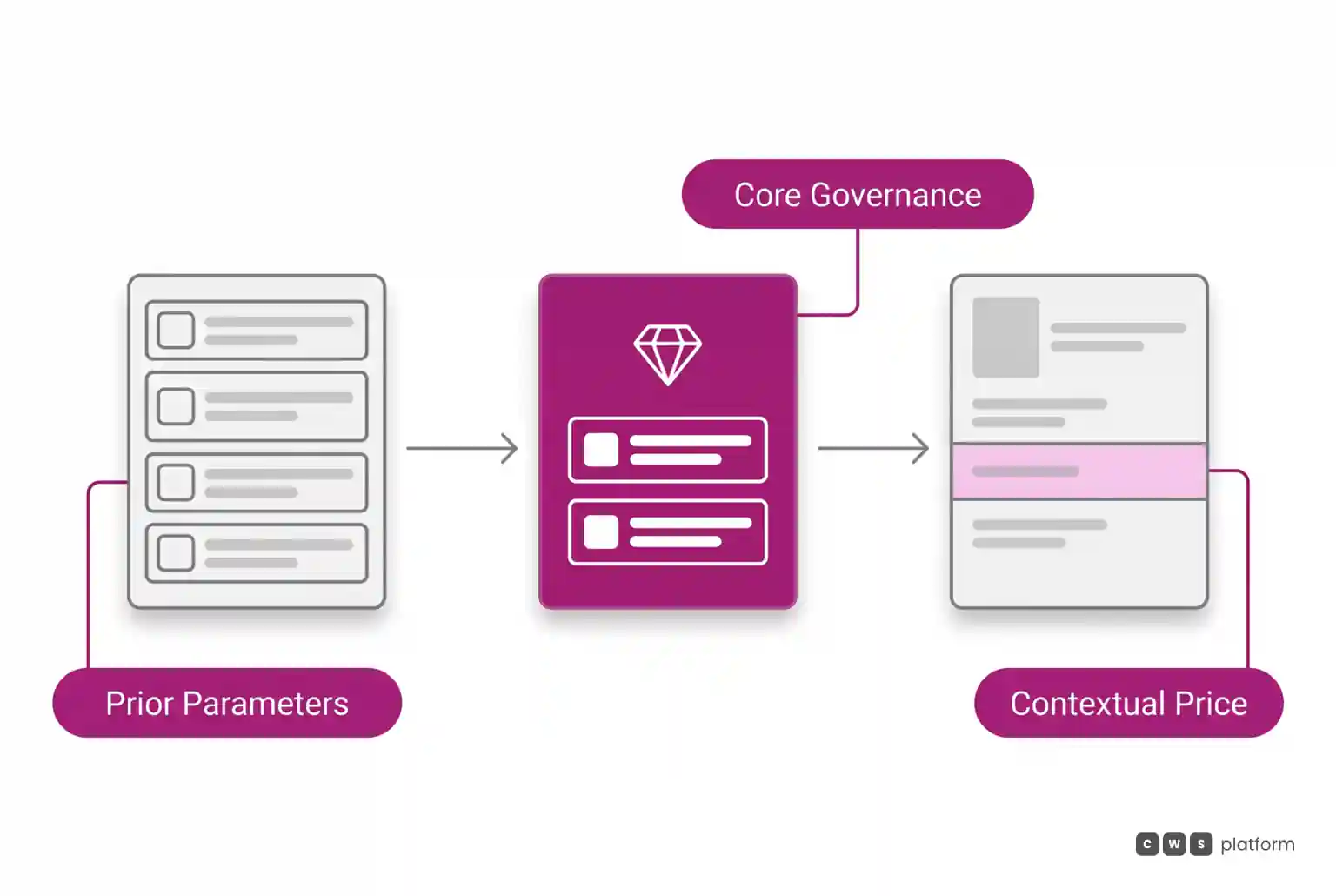
- Contextual pricing must account for segment, channel, region, and time window, within approved commercial parameters.
- Governance does not mean slowing down the sale. It means defining in advance which decisions can happen quickly and which require approval.
Why Doesn’t Increasing Promotions Always Solve Digital Conversion?
According to case LI-043, “the B2B buyer makes the decision before speaking with the salesperson.” That changes the role of the digital channel in distribution.
When that buyer checks commercial terms, they are not simply looking for a catalog. They are evaluating whether the price, lead time, and context justify moving forward with the order. If the information presented does not make sense for their situation, more investment to bring them to the channel does not correct the inconsistency they encounter at the decisive stage.
The operation analyzed needed to run segmented promotions by channel and region. The constraint was not a lack of demand or the ability to create campaigns. The commercial team hesitated because it could not see the margin impact before activating a more aggressive condition.
That hesitation is rational. A broad promotion may be easy to communicate, but it ignores the fact that buyers, channels, and regions do not hold the same economic position. Applying one condition to everyone reduces the ability to distinguish where an incentive helps close a sale and where it merely gives away margin without a return.
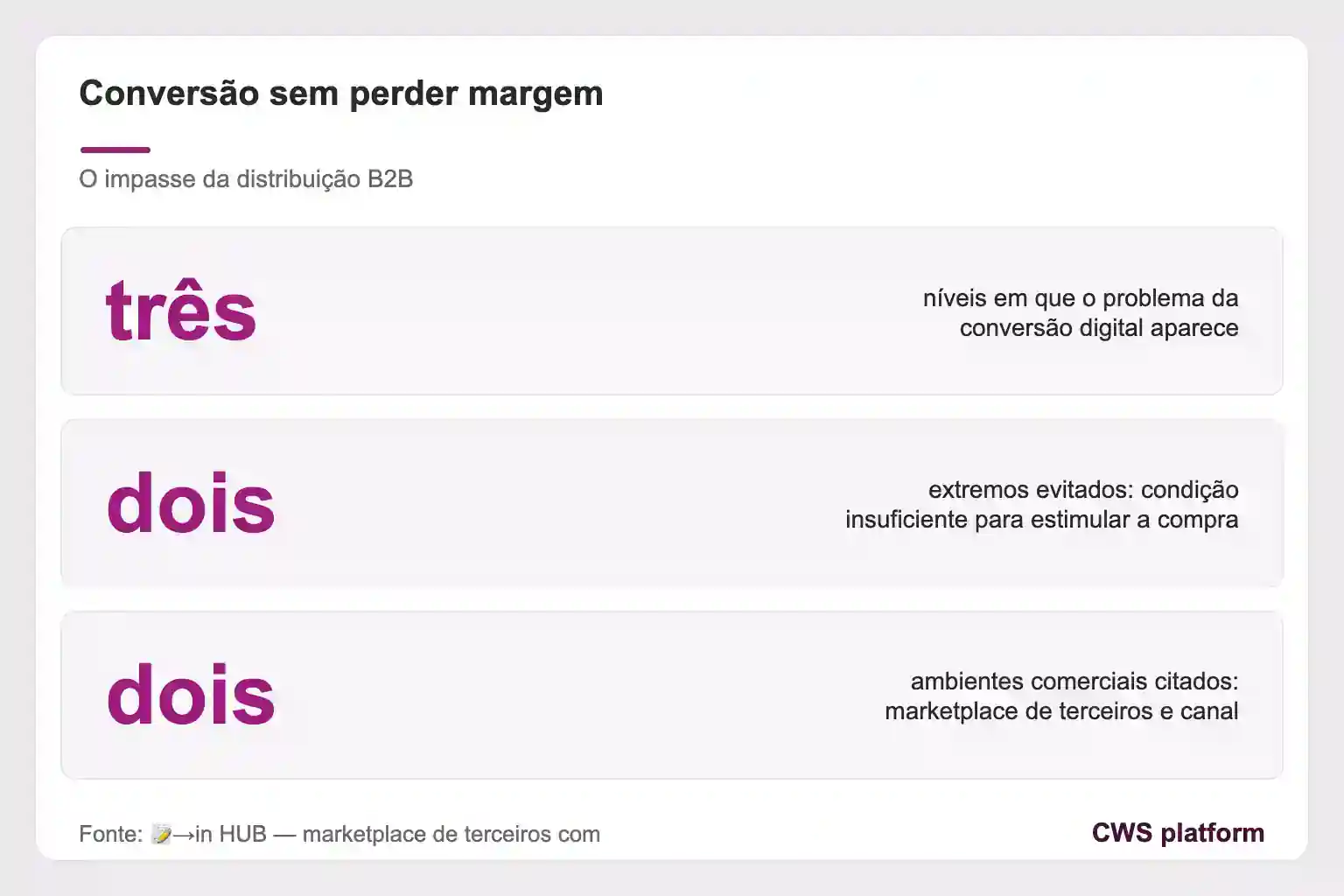
The problem appears at three levels.
The Buyer Sees a Condition Disconnected From Their Context
In case LI-043, the response was to program commercial terms by segment and time window. The buyer began seeing exactly the price and lead time valid for them.
This precision avoids two extremes: presenting an offer that is insufficient to encourage a purchase or providing a benefit greater than what the business had previously authorized. Commercial information stops being generic and starts reflecting decisions already made for each context.
The Commercial Team Does Not Know the Impact Before Acting
When the effect on margin only becomes visible after the promotion, management is caught between slowness and exposure. It can restrict initiatives out of fear of losses or release conditions without sufficient control.
In the cited operation, the manager was able to monitor in real time what was being negotiated and approved. The promotion no longer depended solely on confidence that the outcome would be positive. It began operating within verifiable parameters.
This does not eliminate commercial autonomy. On the contrary, it defines where that autonomy can be exercised without turning every order into a new pricing discussion.
The Digital Channel Scales the Logic It Receives
The digital channel does not fix a weak commercial policy on its own. If the rules are vague, it will simply execute that ambiguity faster.
This finding also appears in CWS’s published thesis on third-party marketplaces. A marketplace can work as a source of demand and the company’s own channel as an environment for building margin, but only when differentiated terms and channel-specific approval criteria exist. Without that definition, operating in both environments can erode margin on both sides.
The principle is the same: integrating or automating before structuring decisions does not eliminate the bottleneck. It only expands its reach.
Conversion Must Be Read Alongside Economic Quality
The LI-043 case did not require an increase in media spend. Conversion rose because the right condition reached the right buyer, at the moment they were ready to purchase, within previously approved parameters.
This suggests a more rigorous way to assess commercial performance. Conversion alone shows how many buyers moved forward. It does not, by itself, show whether the condition used was defensible.
For the commercial leader, the question should not be only, “How much did the promotion convert?” It must also include:
- Which segments received the condition?
- In which channels and regions was it available?
- What was the validity window?
- What had been previously authorized?
- Which negotiations required approval?
- Could the manager monitor the impact during execution?
Without these answers, a promotion remains an event. With them, it can become a repeatable and analyzable commercial decision.
The Cost of Inaction
Keeping the current process may seem prudent, especially when the alternative is granting discounts without confidence. But the absence of governance also comes at a cost.
The first cost is lost conversion. If the buyer decides before speaking with a salesperson, an inadequate condition in the digital channel can end the negotiation before the team has a chance to intervene.
The second is slowness. When every promotion requires rebuilding criteria, consulting different stakeholders, and manually estimating its effects, the commercial window may close before the decision is made.
The third is silent margin erosion. Without prior parameters and visibility during execution, the company may discover too late that the increase in orders came with excessive conditions.
The fourth is difficulty learning. If segment, channel, region, period, price, and approval do not remain connected to the transaction, the company loses the ability to compare decisions and improve its commercial policy.
Inaction, therefore, does not necessarily preserve margin. In some cases, it merely keeps the costs of commercial decisions opaque.
Principles for Turning Promotions Into a Calculated Lever
- Define margin and commercial limits before automating execution.
- Treat price as a contextual decision, not as a single value presented to everyone.
- Differentiate terms by segment, channel, region, and time window when the operation requires it.
- Show the buyer only the price and lead time applicable to their context.
- Establish which conditions can be executed directly and which require approval.
- Give managers visibility into what is being negotiated and approved during the operation.
- Evaluate conversion and margin together, avoiding rewarding volume without economic quality.
- Record decisions and exceptions so the company preserves its negotiation DNA.
- Apply automation and AI after defining the rules, using technology to accelerate a governed decision rather than multiply ambiguities.
FAQ
Is Contextual Pricing Just Another Name for Discounting?
No. In case LI-043, the mechanism was not an automatic discount. It involved terms programmed by segment and time window, supported by rules and management visibility. A discount may be part of the condition, but it does not replace the decision structure.
Does Governance Reduce Commercial Speed?
Prior governance aims to do the opposite. By defining limits, criteria, and approvals in advance, the operation reduces the need to revisit every order. Speed can then happen within known parameters.
Could More Media Spend Produce the Same Result?
The material does not allow us to claim that media is irrelevant in every operation. In the case analyzed, however, conversion grew without an increase in budget because the appropriate price and lead time were presented to the right buyer at the moment of decision.
Where Does Commercial Architecture Fit In?
Ultimately, the issue is reducing the transaction cost between manufacturer, distributor, and buyer without losing control over margin. A B2B Commerce Platform for Governed Negotiation can connect price, lead time, context, and approval within the same decision-making architecture.
That is the role of the CWS Platform: helping B2B commercial operations execute previously governed decisions, preserve negotiation history, and use technology to gain speed without making discounting invisible. Technology does not replace commercial policy. It enables a well-defined policy to operate consistently.
Who Is Already Experiencing This
“Delivering consistent, scalable progress with agile course corrections. Always with excellent support from the CWS teams.”
Paulo Renan S., a wholesale industry professional at a company with 201 to 500 employees, in a review published on Software Advice.
About This Publication
The Cost of Selling is a CWS Platform publication about efficiency, governance, and transaction cost in B2B commercial operations. The articles examine how pricing, credit, and negotiation decisions can scale without separating growth from economic control.
Sources
- Public case LI-043, source material provided for this article: a distribution operation that increased conversion through segmented conditions and margin governance. The provided material does not include a public URL.
- HUB, third-party marketplace as a channel: CWS analysis of demand on marketplaces and governance of commercial terms by channel.
- Software Advice, CWS Platform: public portal containing the review from Paulo Renan S. cited in this article.
"responsive, technically engaged, and willing to work through complex commercial rules (negotiated pricing, credit, customer-specific conditions) rather than pushing generic answers"
Want to see this in your operation?
Real B2B operations already run on it.