The Transaction × Product Matrix: Where Digital Actually Pays Off
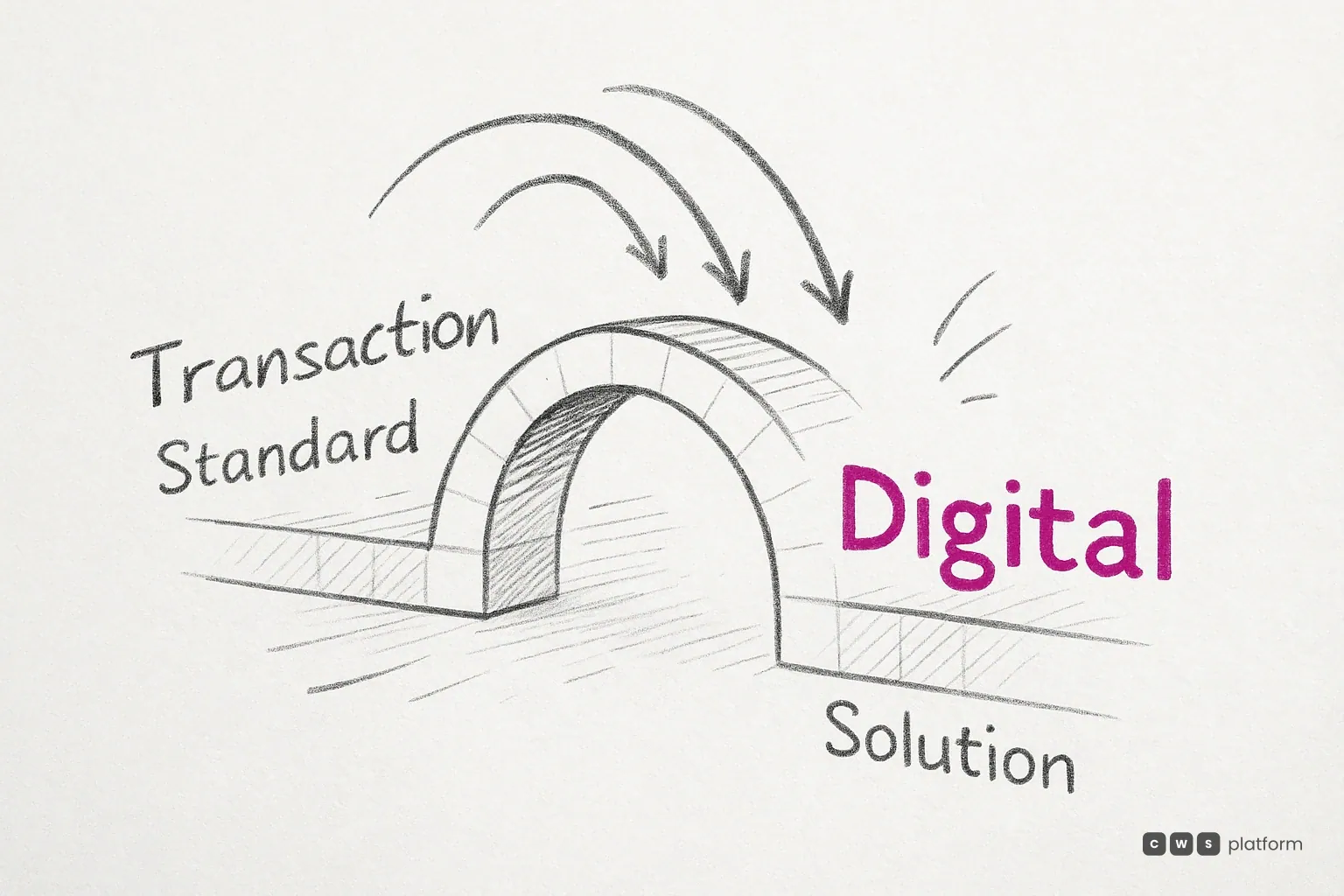
Start digitization with simple, repeat orders; leave complex solutions and first-time buys for later
TL;DR
- Most B2B organizations try to digitize everything at once—and end up digitizing nothing effectively.
- A simple matrix clarifies where digital delivers immediate value: the intersection of transaction type (first-time or repeat purchase) and product type (standard product or solution).
- The repeat/standard quadrant is the right entry point for any digital initiative; the other quadrants require a consultative relationship and come later.
- Ignoring this sequence means wasting capital on tools that do not get adopted while keeping transaction costs high where they could be reduced first.
Why do most B2B sales digital initiatives start in the wrong place?
There is a recurring pattern in B2B commercial operations: a company decides to modernize its sales process, invests in a platform, trains the team, communicates the change to the market, and six months later adoption is marginal. The sales rep is still handling orders through text messages, the buyer is still submitting requests by email, and the platform becomes little more than a customer-record repository.
The diagnosis is almost never the technology itself. The problem is usually sequencing—in other words, which part of the operation received the digitalization effort first.
Digitization is, above all, a decision about where to reduce friction. And not all friction is the same. Some transactions tolerate—and even require—intensive human interaction. Others are repetitive, predictable, and simple enough that a digital workflow can execute them at lower cost and with greater consistency than a sales rep processing requests manually. Treating these two realities with the same tool and in the same order is the foundational mistake.
The matrix that organizes the problem
The model begins with two dimensions that any sales leader immediately recognizes.
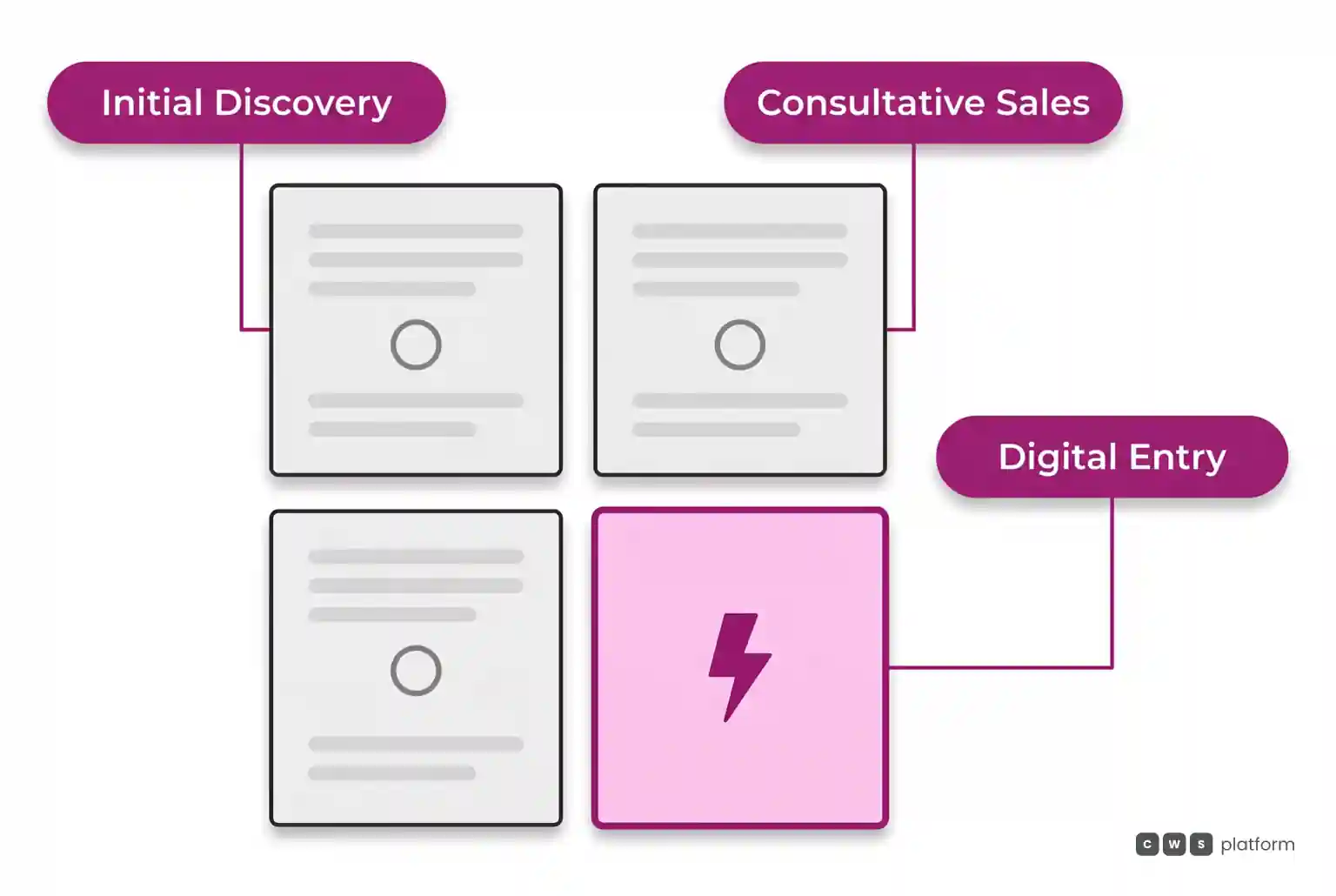
The first dimension is transaction type: a purchase can be a first-time acquisition, when the customer is still forming an opinion, evaluating alternatives, and needing context; or it can be a repeat purchase, where the customer already knows the product, has already gone through the prior decision cycle, and is essentially replenishing inventory or renewing.
The second dimension is product type: it can be a standard product, with clear specifications, relatively stable pricing, and limited configuration variation; or it can be a solution, involving a combination of products or services, customization, interdependence with other parts of the customer’s business, and therefore a high degree of judgment in the sale.
The intersection of these two dimensions creates four quadrants:
- First-time purchase + standard product: the customer does not yet know the company, but the product is simple. There is still trust and discovery friction.
- First-time purchase + solution: maximum relationship and technical complexity; this is where the most intensive consultative selling takes place.
- Repeat purchase + solution: the customer already trusts the supplier, but each order involves specification and judgment.
- Repeat purchase + standard product: the customer has purchased before, the product is predictable, and the need is recurring. Friction is minimal, potential volume is high, and transaction cost should be as low as possible.
Where digital delivers immediate value
The repeat/standard quadrant is the only one in which all the prerequisites for an efficient digital transaction already exist on the customer side: familiarity with the product, relationship history, and established repurchase criteria. The customer does not need to be persuaded or guided; they need speed and convenience.
It is no coincidence that this is exactly the quadrant where WhatsApp is already used at scale in Brazilian B2B operations. The buyer messages the sales rep, the rep takes down the order, enters it into the system later, and the order moves forward. It is digital on the surface but analog in its cost structure. The sales rep becomes an order processor, the contribution margin on their time disappears, and transaction cost remains high—just hidden.
The right approach is to convert this quadrant into a genuinely digital workflow, where the customer can access the channel, configure the order within already established parameters, and complete the transaction without human intermediation at the moment of purchase. Freed from this work, the sales rep can direct energy toward the quadrants that truly require consultative involvement.
The conversion sequence and the role of the sales rep
The transition from analog to digital does not happen by platform mandate. It is seeded by the sales rep. The representative who already has an established relationship with the customer is the person with the credibility to introduce the new channel, support the first digital transactions, and ensure the buyer does not feel abandoned but instead gains convenience.
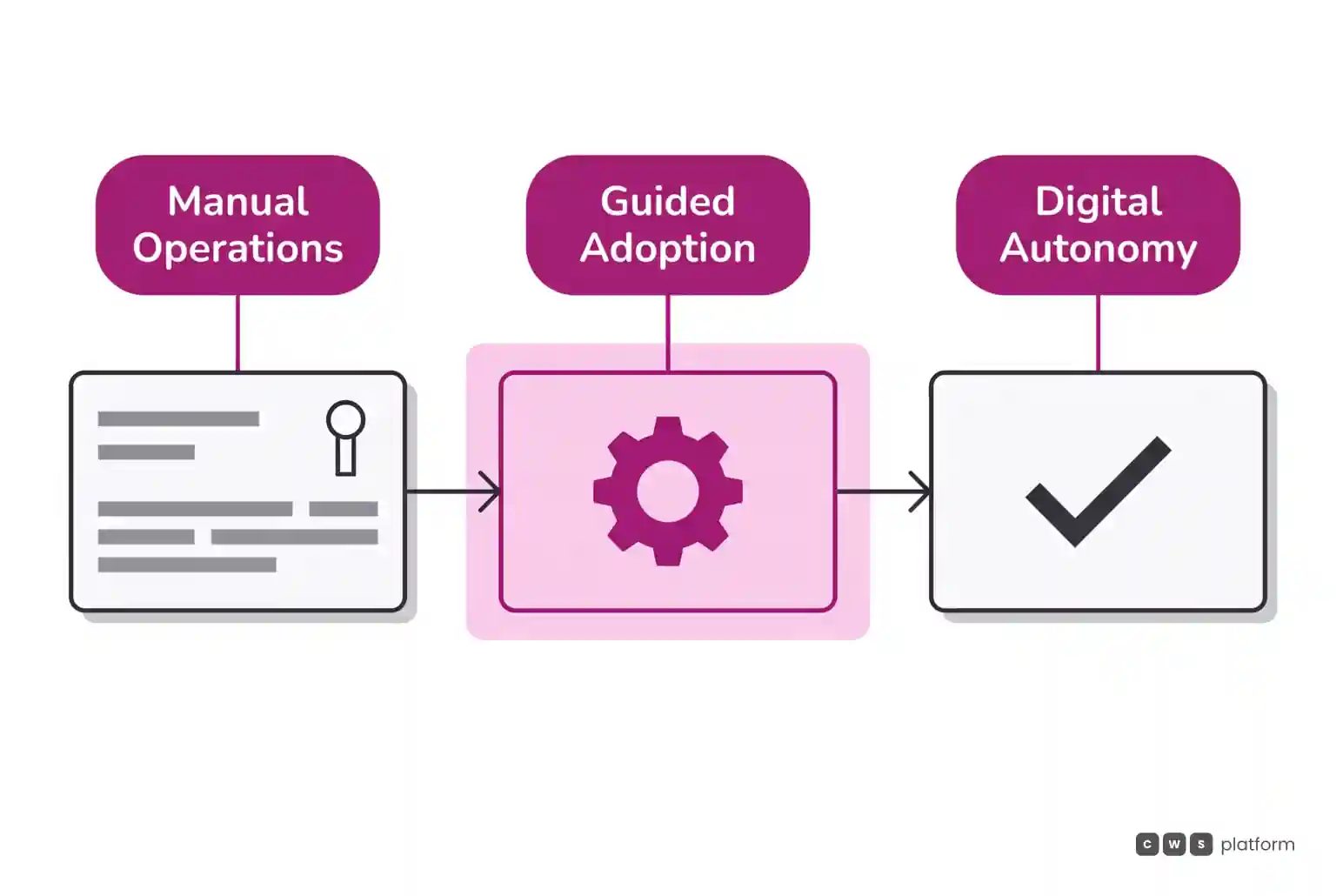
That is why sequencing matters as much as quadrant selection. Starting with repeat/standard, where adoption is more natural and the risk of disruption is lower, the operation builds a critical mass of digital transactions. With the data generated at that volume, understanding of buying behavior deepens and the organization gains the foundation to move gradually toward more complex quadrants.
The reverse approach—starting with the highest-complexity quadrant in the expectation that digital will replace consultative selling—not only fails to gain adoption but also generates internal resistance and customer distrust. The platform becomes an obstacle rather than an enabler.
The Cost of Inaction
Keeping the repeat/standard quadrant in an analog operating model creates costs that rarely appear in the sales budget but systematically erode margin.
- Sales rep time allocated to repetitive orders is time taken away from prospecting, account expansion, and strategic account management.
- Data-entry errors, rework, and delays in order confirmation increase service costs and reduce buyer satisfaction, even in simple transactions.
- The lack of structured data on reorder frequency, volume, and product mix prevents any predictive demand analysis.
- Competitors that have already digitized this quadrant offer the same buyer a significantly faster reorder experience—and in B2B, convenience translates into retention.
The equation is not only operational. It is strategic. Every month of analog operations in the lowest-complexity quadrant is a month in which transaction costs could be declining but are not.
Principles for applying the matrix
- Map your active customer base across both dimensions before making any platform or process decision.
- Identify the transaction volume in the repeat/standard quadrant: it represents the immediate opportunity for cost reduction.
- Define the sales rep as a transition agent, not an opponent of digital; adoption begins with the existing relationship.
- Move to more complex quadrants only after achieving consistent adoption in the foundational quadrant.
- Do not try to digitize first-time purchases of complex solutions: this quadrant requires human judgment, and premature automation increases friction rather than reducing it.
FAQ
Does the matrix apply to every B2B industry?
The model is industry-agnostic. The dimensions—transaction type and product type—exist in every B2B commercial operation. The share of volume in each quadrant varies by business, but the sequencing logic is universally valid.
What if my customer base is primarily made up of solutions?
Even solution-centered businesses have recurring and predictable components: replacement items, contract renewals, and standardized add-ons. These elements are the right starting point, even if they represent a smaller share of total revenue.
Does digital eliminate the sales rep in the simpler quadrants?
No. It repositions the role. The sales rep stops being an order processor and becomes a relationship manager and account-growth leader—a higher-value role that the complex quadrants require more intensely.
About this publication
The Cost of Selling is CWS Platform’s publication on commercial efficiency, channel structure, and transaction-cost reduction in B2B operations. CWS develops digital infrastructure for complex commercial value chains, with the goal of making every transaction more predictable, more cost-effective, and more traceable for every party involved.
"responsive, technically engaged, and willing to work through complex commercial rules (negotiated pricing, credit, customer-specific conditions) rather than pushing generic answers"
Want to see this in your operation?
Real B2B operations already run on it.