Sales Costs
When the Catalog Becomes Chaos
Catalog, pricing, content and search pains in complex B2B. Unmanageable SKUs, per-customer pricing rules, search that doesn't find, errors that destroy trust.
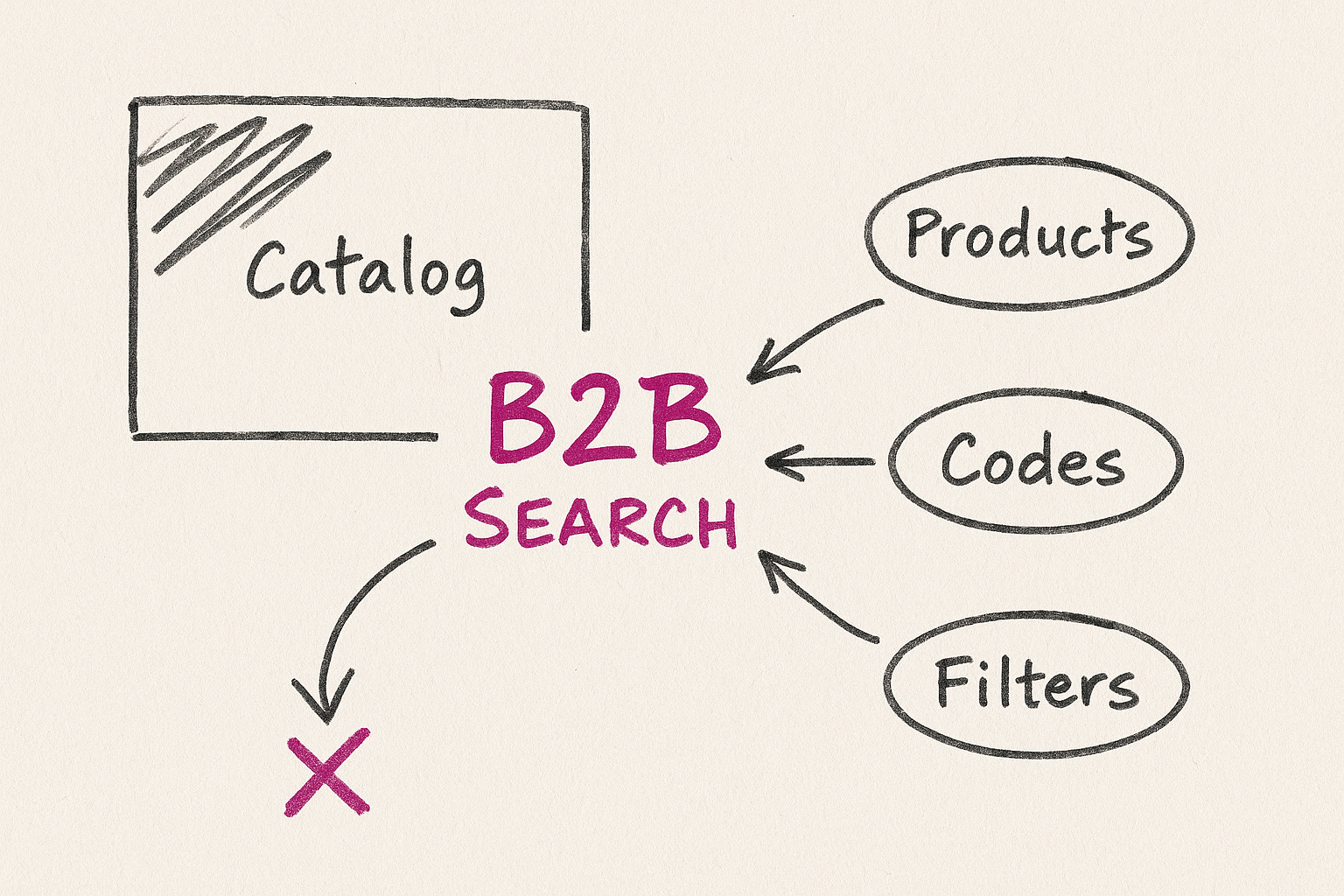
When the Catalog Breaks, B2B Search Stops Supporting Sales
B2B search becomes unreliable when product data, SKUs, and fitment filters are inconsistent. A better interface may hide the issue, but it cannot fix the underlying structure.
Read →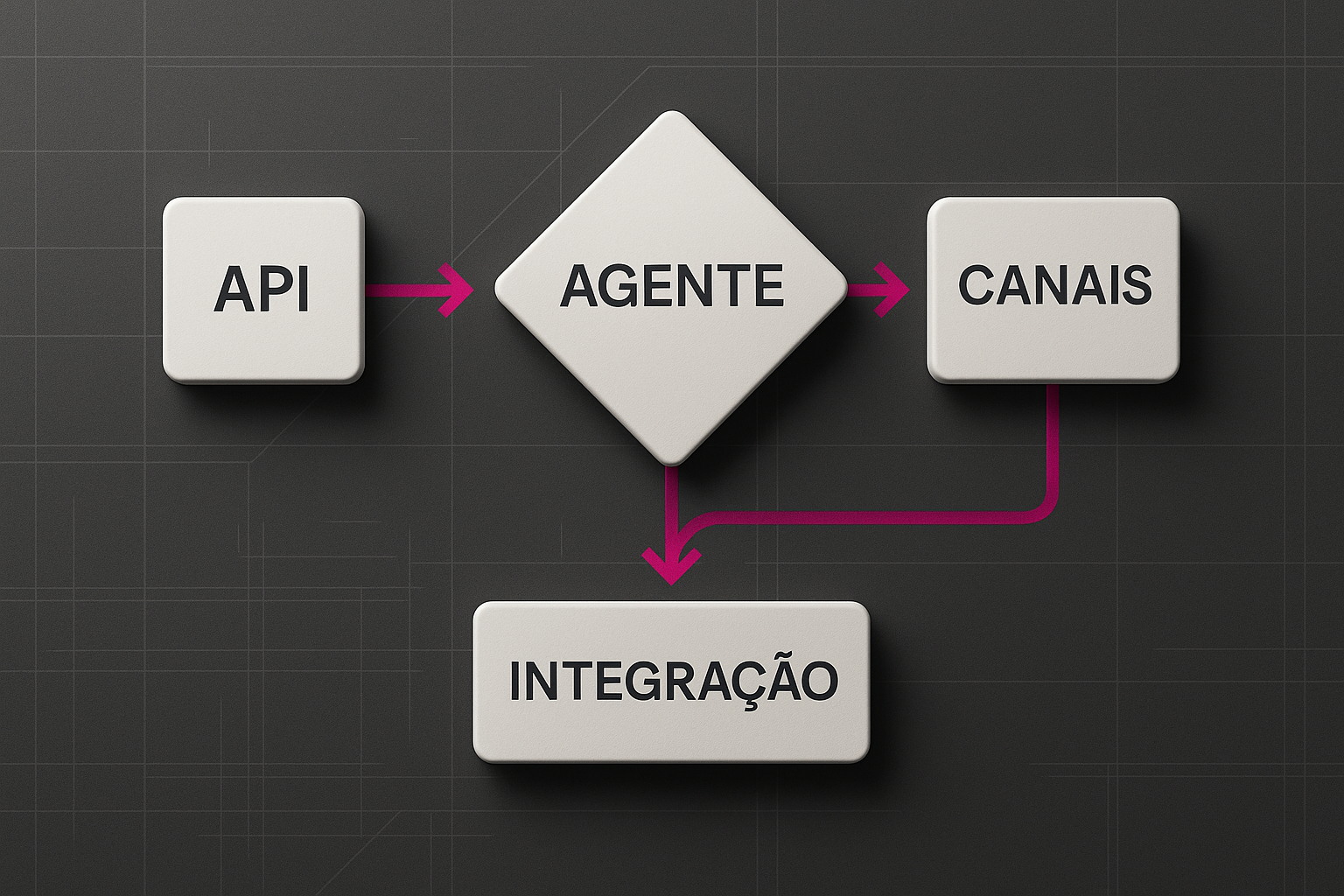
When the Catalog Turns Chaotic, AI Starts Deciding on a Truth That Doesn’t Exist
General-purpose agents amplify the gap between what enterprise systems report and what actually applies to a B2B transaction. Before delegating decisions, CTOs must govern data authority, business context, and traceability.
Read →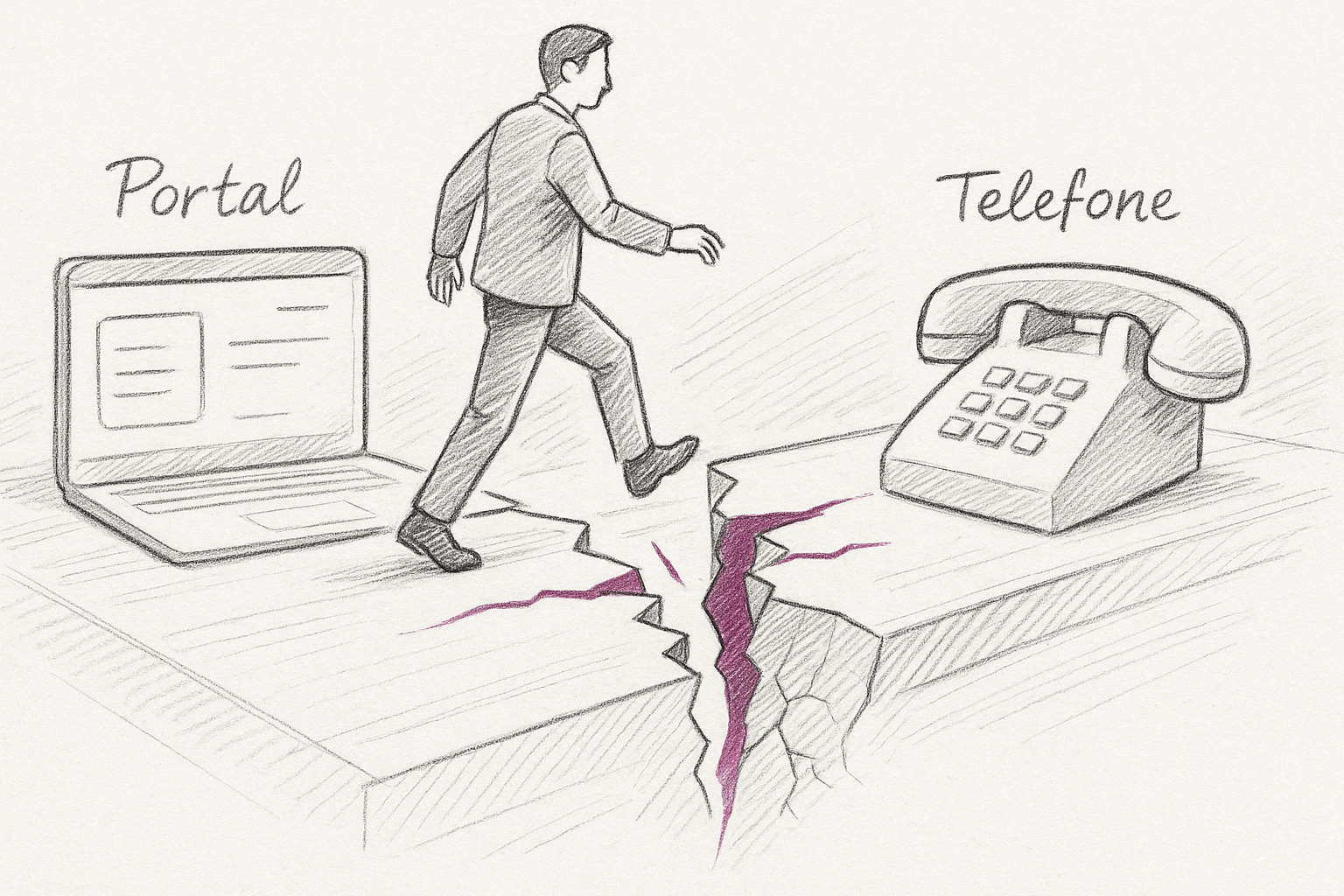
The portal says it’s in stock. The phone confirms it isn’t.
When the storefront and operations don’t share the same truth on catalog, price, and availability, the digital order ends in a call and rework. The online channel stops cutting cost and starts a second round of negotiation.
Read →
The AI Agent Confirmed the Order. The Price Was Wrong.
An AI agent acts on the data it finds — and if the catalog doesn't hold the right answer, it confirms the wrong order with speed and the appearance of a formal approval. The cost isn't in the model: it's in the source it queried.
Read →
When the customer doesn't know the supplier's full catalog
In B2B, the pain often isn't a lack of product, it's a lack of visibility. A catalog of thousands of SKUs in printed form shows only a fraction, and the customer buys within what they see, not what exists.
Read →
The Catalog Isn't a Product List — It's What Price, Stock, and the Sale Rest On
When the catalog is ambiguous, the ambiguity doesn't stay in the catalog — it leaks into the price, the stock, the invoice, and the report the board uses to decide. Why the product record is the most invisible and most decisive layer of a B2B operation.
Read →