Sales Costs
When Selling More Doesn't Mean Earning More
B2B commerce financial pains. Margin eroded by discounts, customer credit as risk tool, working capital trapped, chaotic pricing policy.
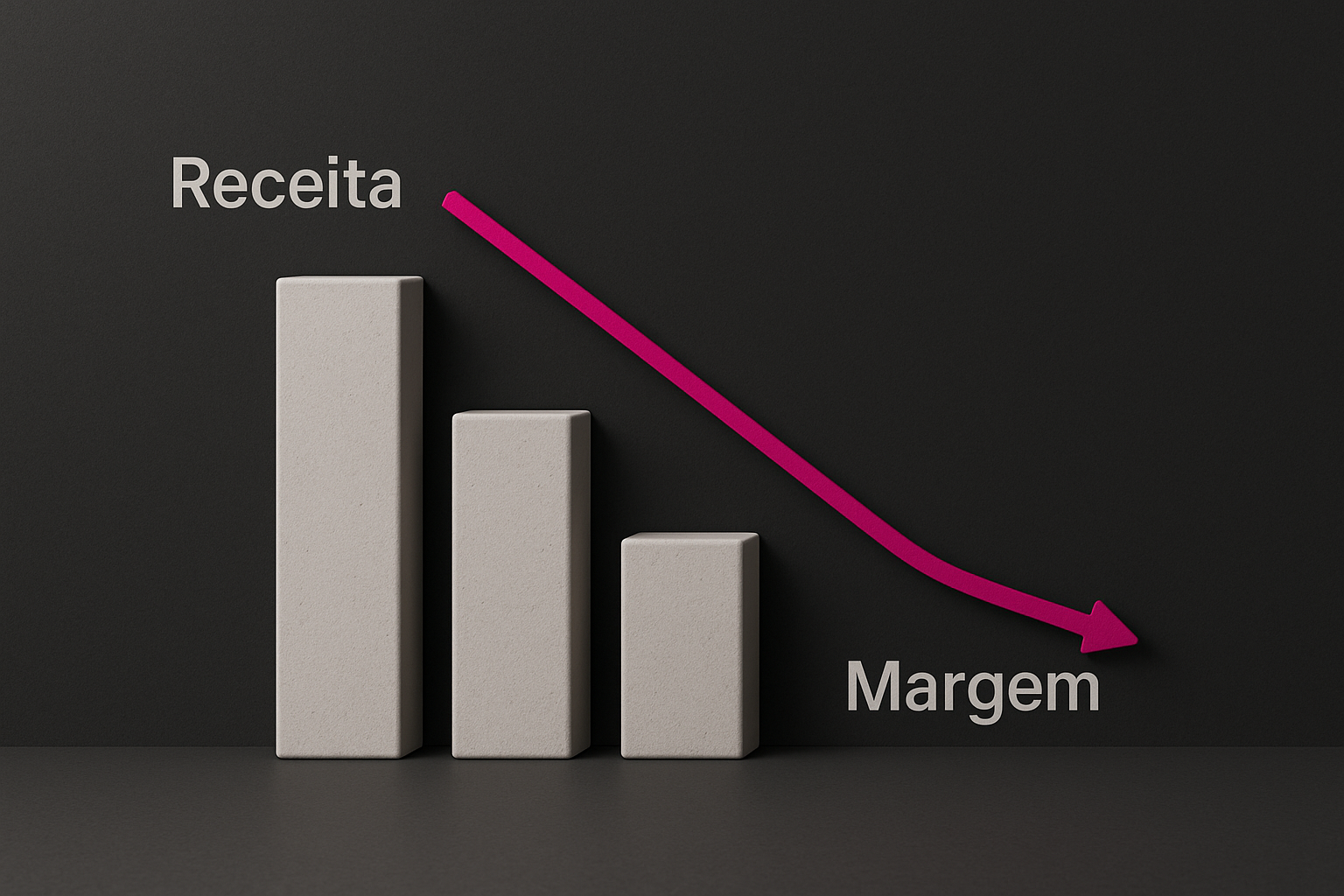
Your Manufacturing Revenue Is Growing, but Margins Aren’t
Automating manual workflows can accelerate errors and exceptions. To recover margin, manufacturers must structure commercial decisions before delegating execution to AI agents.
Read →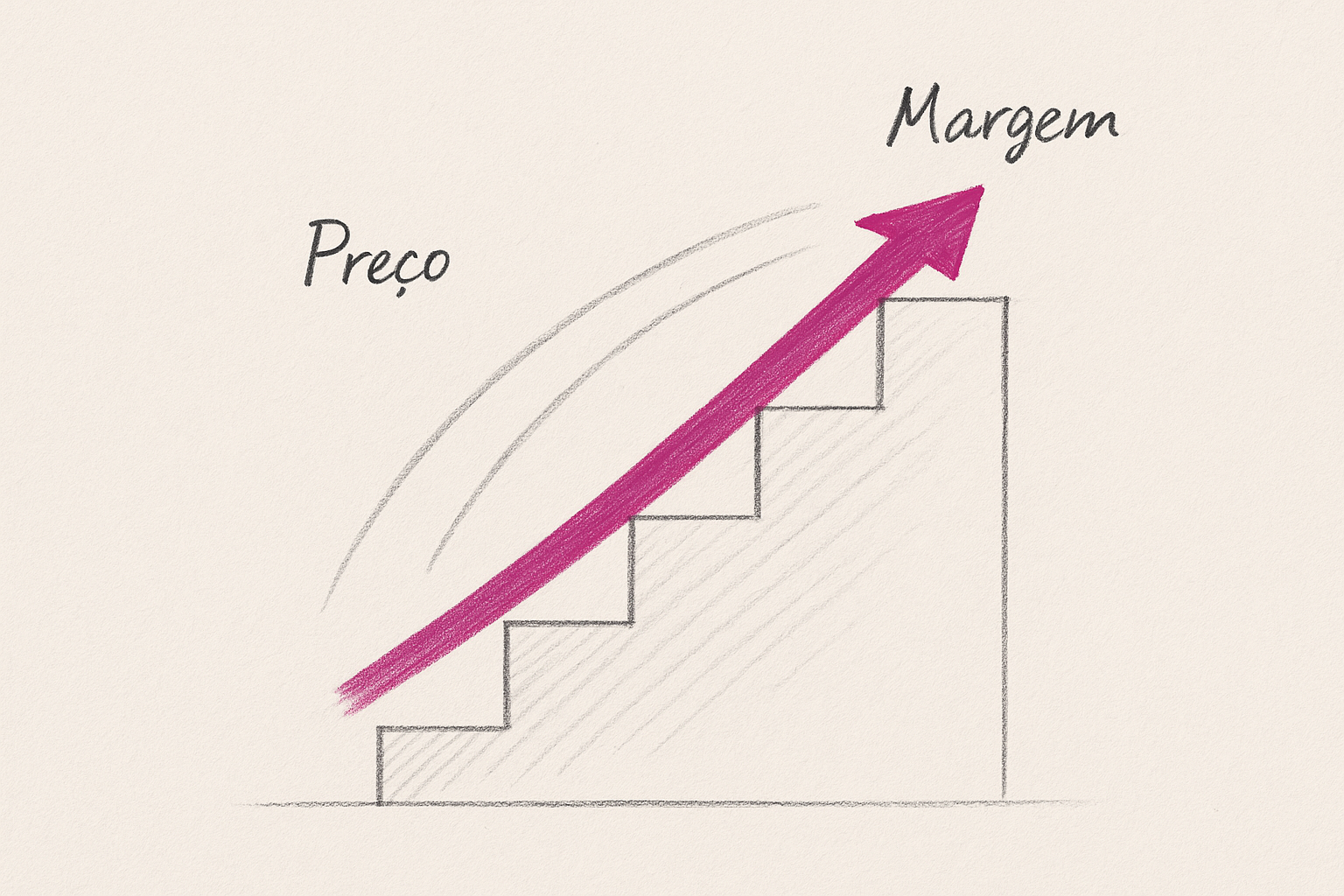
Growing Digital Conversion Without Sacrificing Margin Is Still a B2B Distribution Challenge
For B2B distributors, more orders are not enough when promotions make margins unpredictable. The LI-043 case shows how contextual terms and preapproved rules can increase conversion without additional media spend.
Read →
Your Distribution Business Gains Marketplace Volume but Loses Margin Along the Way
Third-party marketplaces aggregate demand that distributors may struggle to replicate, but they can erode margin without channel-specific commercial rules. Pricing, credit, and negotiation policies must come before automation.
Read →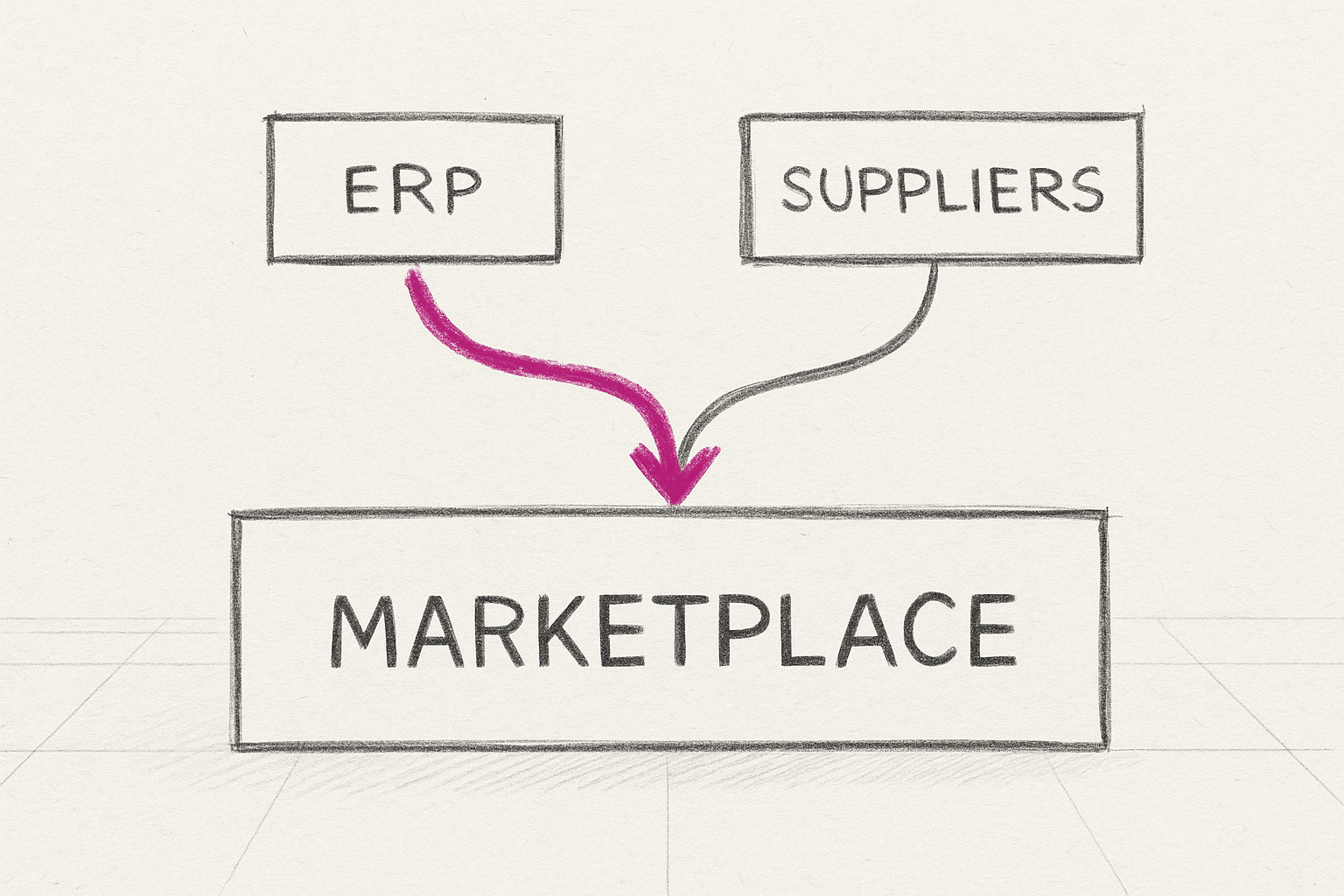
Marketplace Is an Outcome, Not a Goal
Treating a marketplace as a standalone build drives low adoption and fuzzy ROI. The real question is how to digitize the commercial network you already have—the marketplace is what follows.
Read →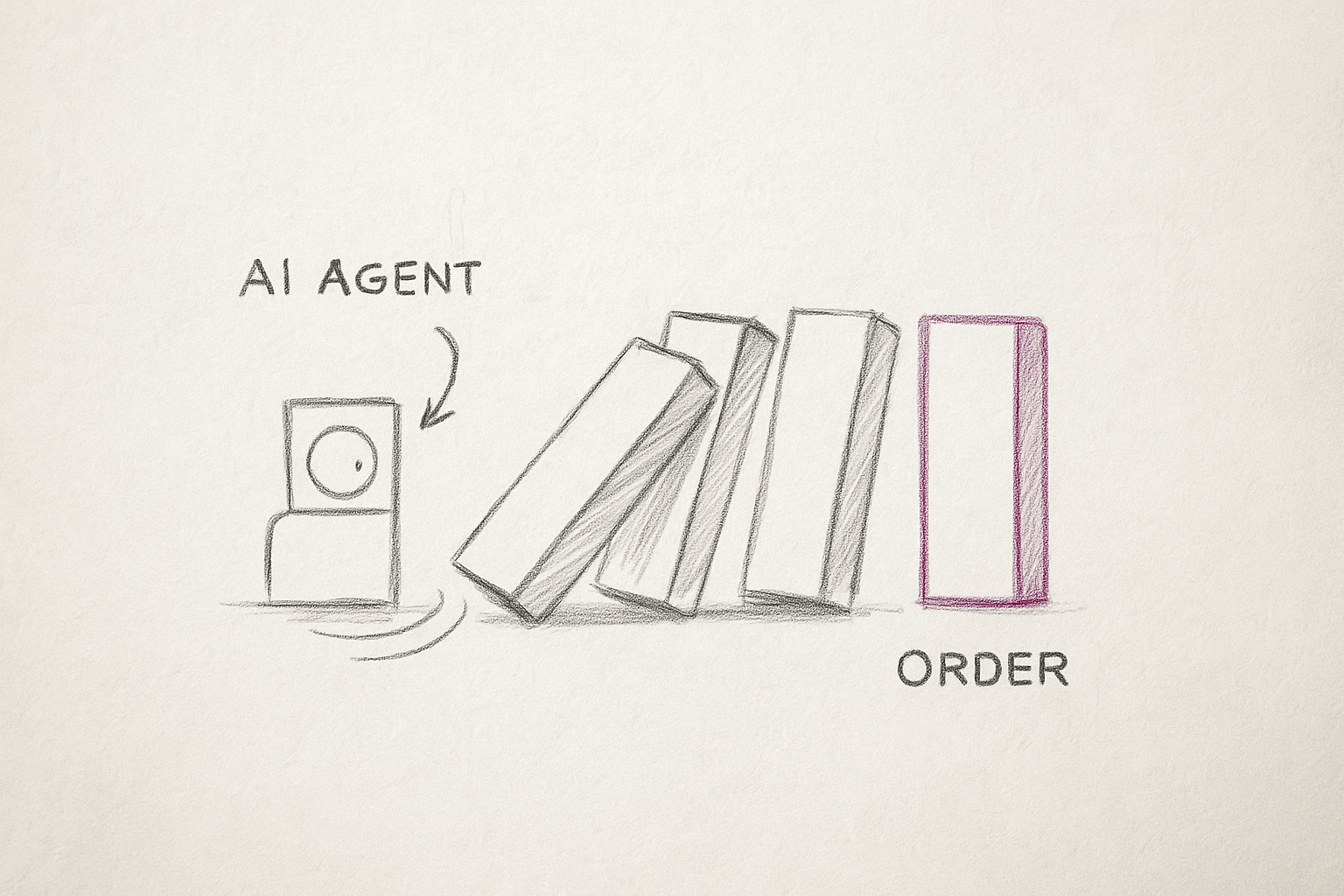
When an AI Agent Fails, the Error Doesn't Stay Isolated—It Replicates Across Every Order
AI agents already negotiate and buy on behalf of companies. But without fixed commercial policy behind them, a single agent error doesn't stay contained in one order—it scales across transactions before any human catches it.
Read →
When the Agent Makes a Mistake, the 10-K Records It: What WESCO Teaches Us About Governance Before Automation
WESCO International flagged agentic AI as a strategic risk in its most recent 10-K. The signal is unambiguous: without deterministic pricing, credit, and approval rules locked in before an agent acts, automation doesn't reduce the cost of sales — it replicates and scales human error at industrial speed.
Read →You're trying to build a marketplace when what you actually need is a sales ecosystem
Most B2B operations stall their digitization by chasing the wrong model: marketplace as a destination rather than an outcome. The right path starts from the inside out — with the sales rep as the demand driver and third-party inventory as a tactical complement, not a strategic anchor.
Read →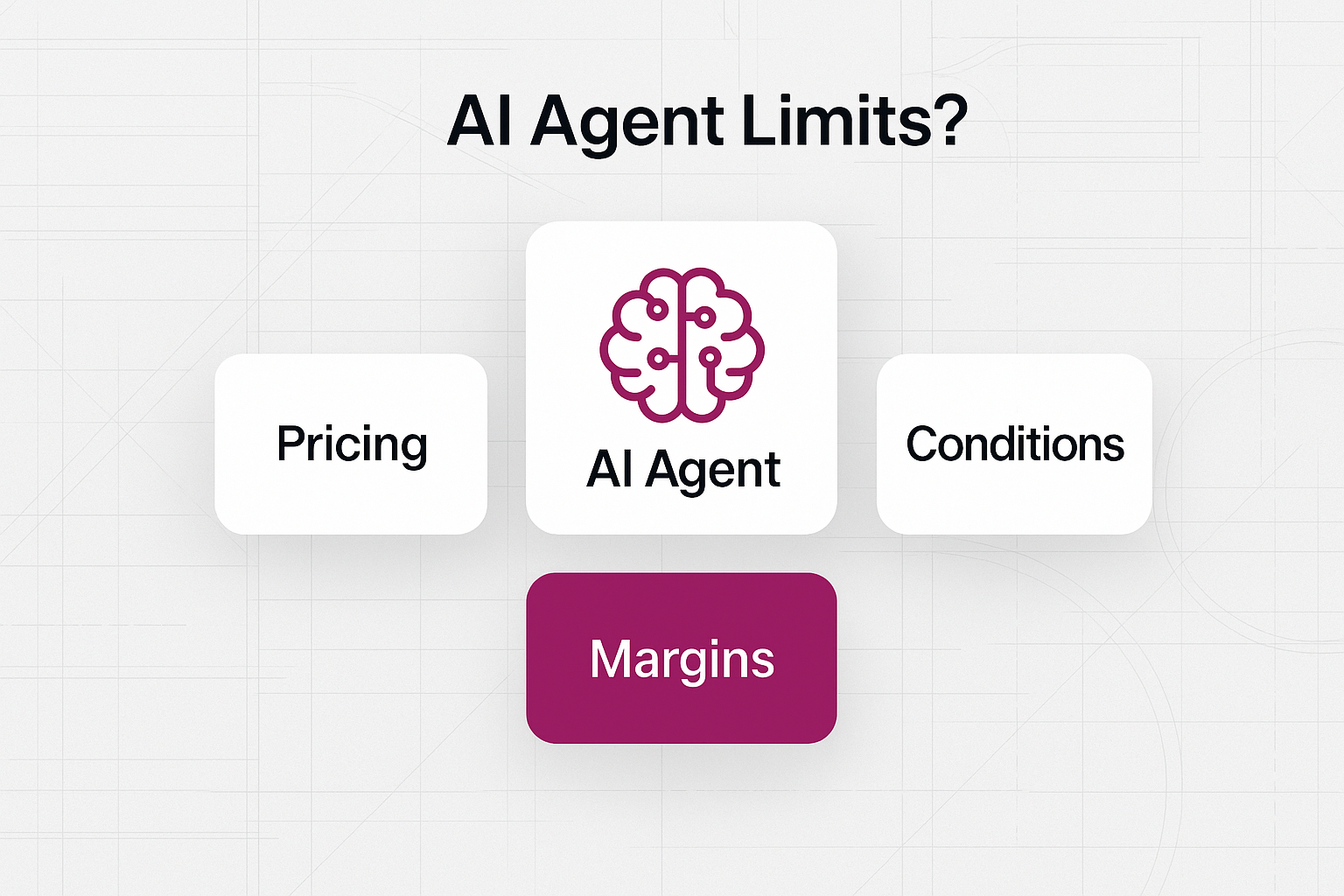
When an AI Agent Negotiates on Your Behalf, Who Sets the Limits?
AI agents are already executing B2B purchases and sales autonomously. The problem isn't the technology — it's the governance vacuum that precedes the automation.
Read →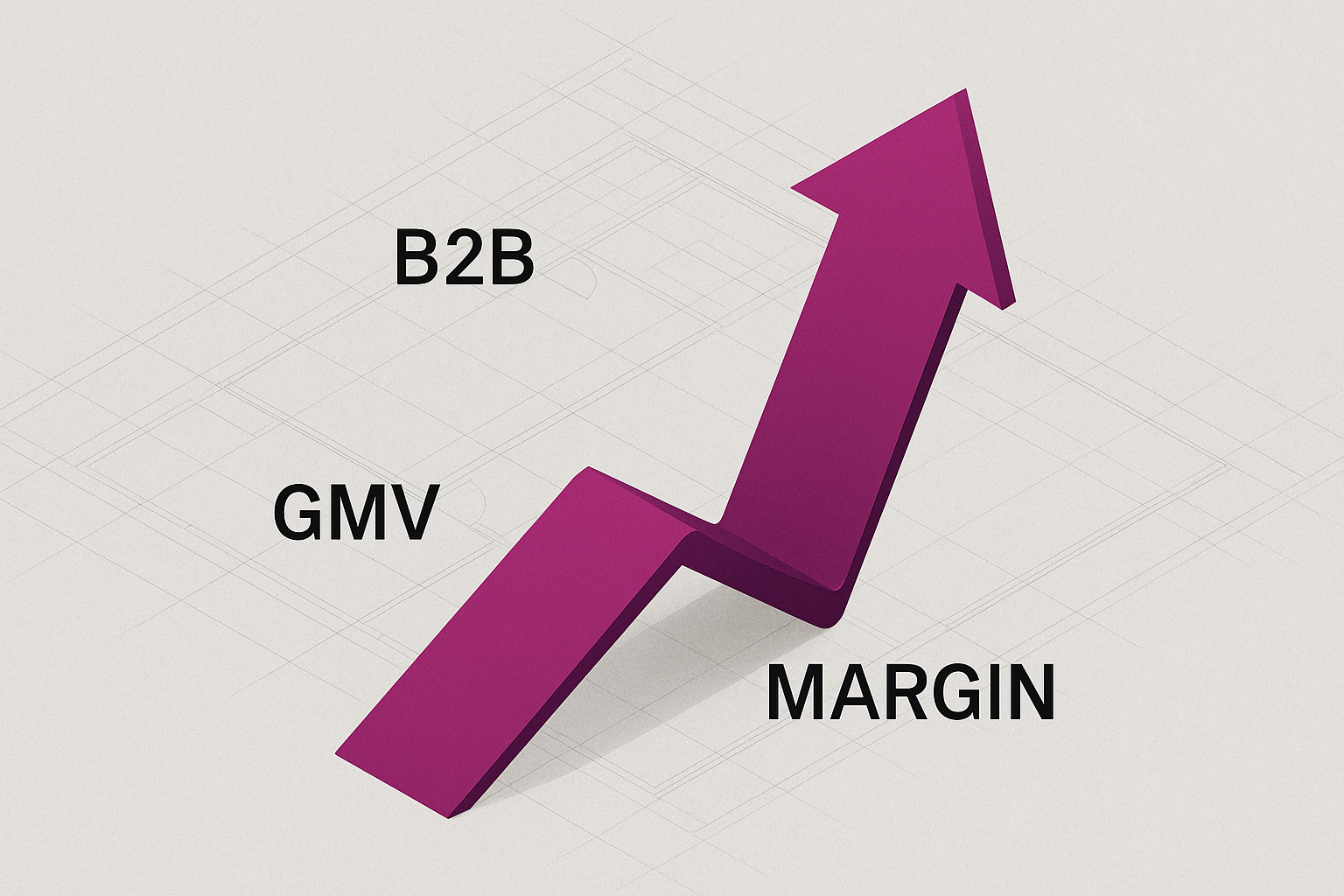
Your B2B Channel Is Growing. Your Margin Isn't. The Problem Starts Before the Order.
When order volume climbs but per-order margin keeps falling, the culprit is rarely pricing — it's governance operating outside the order flow. Here are four concrete signals that confirm the diagnosis and the costs that never show up on your P&L.
Read →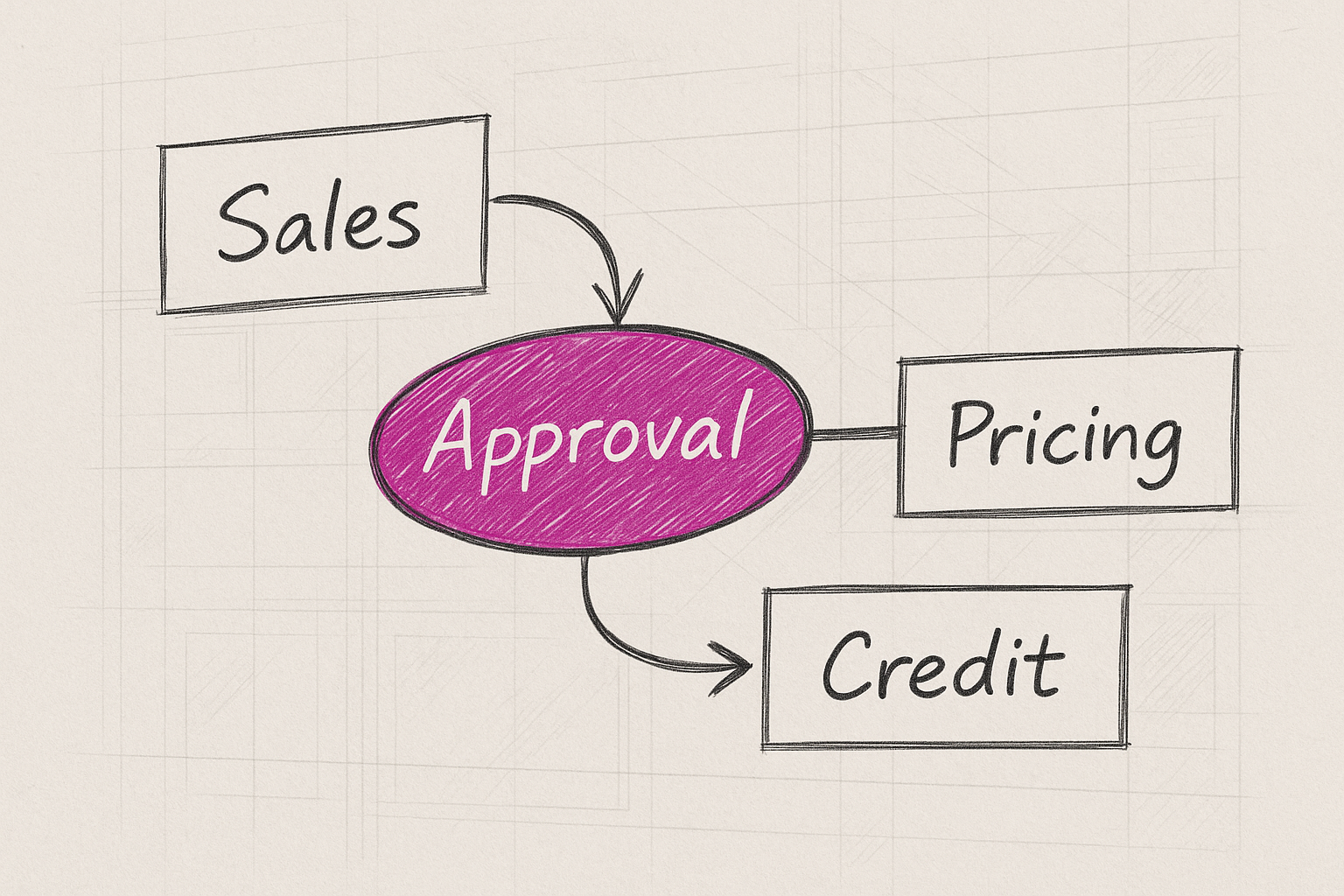
The sales rep who approves everything alone is the bottleneck hiding in your P&L
Sales reps have always been — and always will be — the humans in the B2B buying process. The problem isn't human involvement: it's that reps are spending judgment on tasks that don't require judgment.
Read →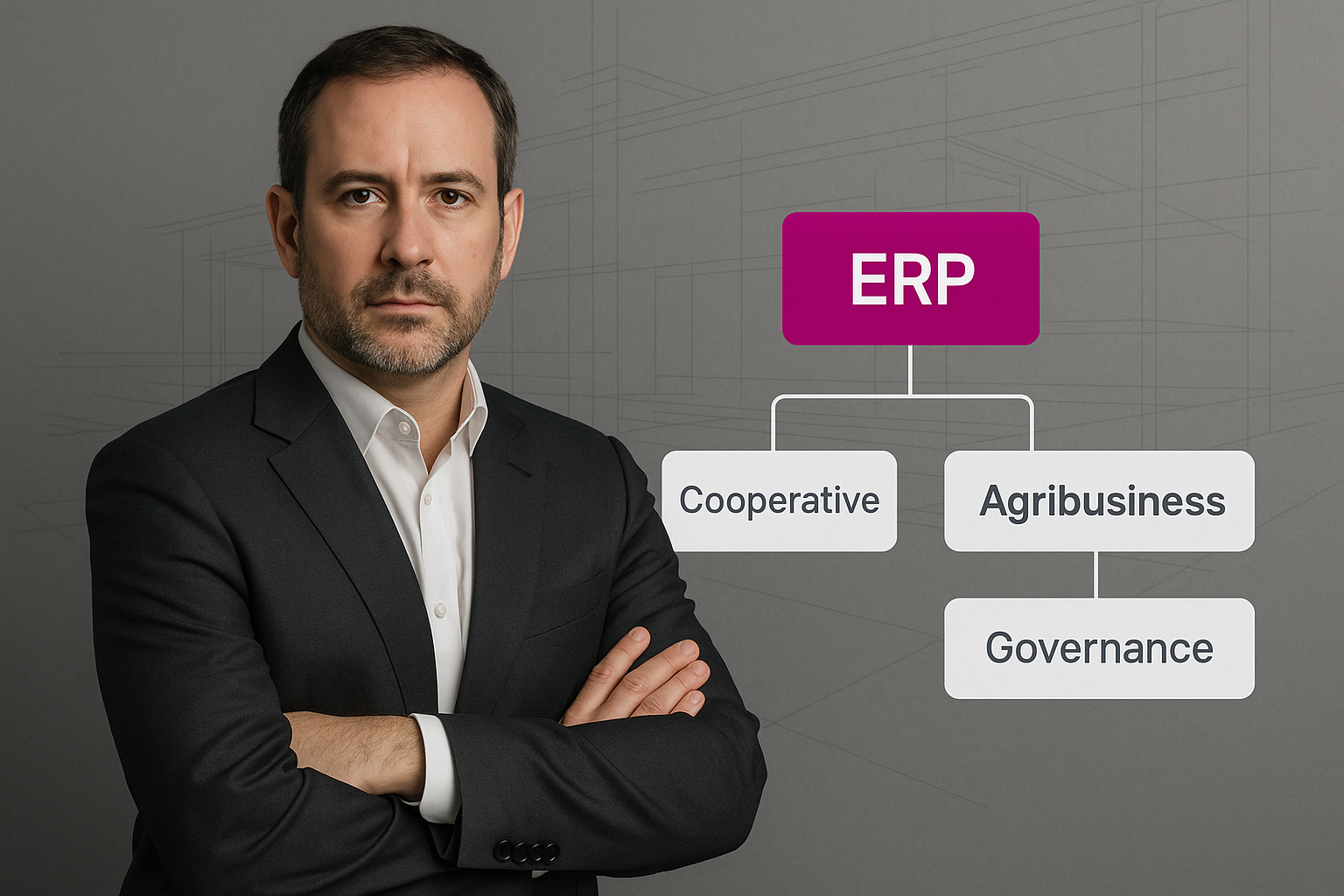
Digitizing an Agricultural Co-op Without Governing the Negotiation Just Trades One Problem for Another
Agricultural co-ops are pouring money into field digitization, but the real bottleneck lives in informal sales processes. Without negotiation governance, technology moves the chaos — it doesn't fix it.
Read →
Your Operation Scaled. Your Pricing Governance Probably Didn't.
When B2B revenue grows but margins quietly erode, the culprit rarely appears on any cost line. It lives in undocumented negotiations, informal approvals, and pricing logic that exists only in a sales rep's memory.
Read →
The distributor that doesn't die from tech disruption dies from high operating costs
Treating disintermediation as the primary threat to B2B distribution is the wrong diagnosis — and operating with the wrong diagnosis is a cost that shows up slowly, in the margin, until it's impossible to ignore.
Read →
The Knowledge Stuck in Your Sales Rep's Head Is Your Biggest B2B Bottleneck
In most B2B operations, pricing, credit, and exception rules aren't in the system — they're in the sales rep's memory. Until that changes, the operation can't scale and governance remains out of reach.
Read →
When AI Agents Negotiate Without Rules, Every Mistake Scales
Deploying AI agents in B2B sales or procurement without explicit, pre-approved commercial rules doesn't streamline operations — it turns every isolated pricing or deal-term error into a systemic, unauditable liability.
Read →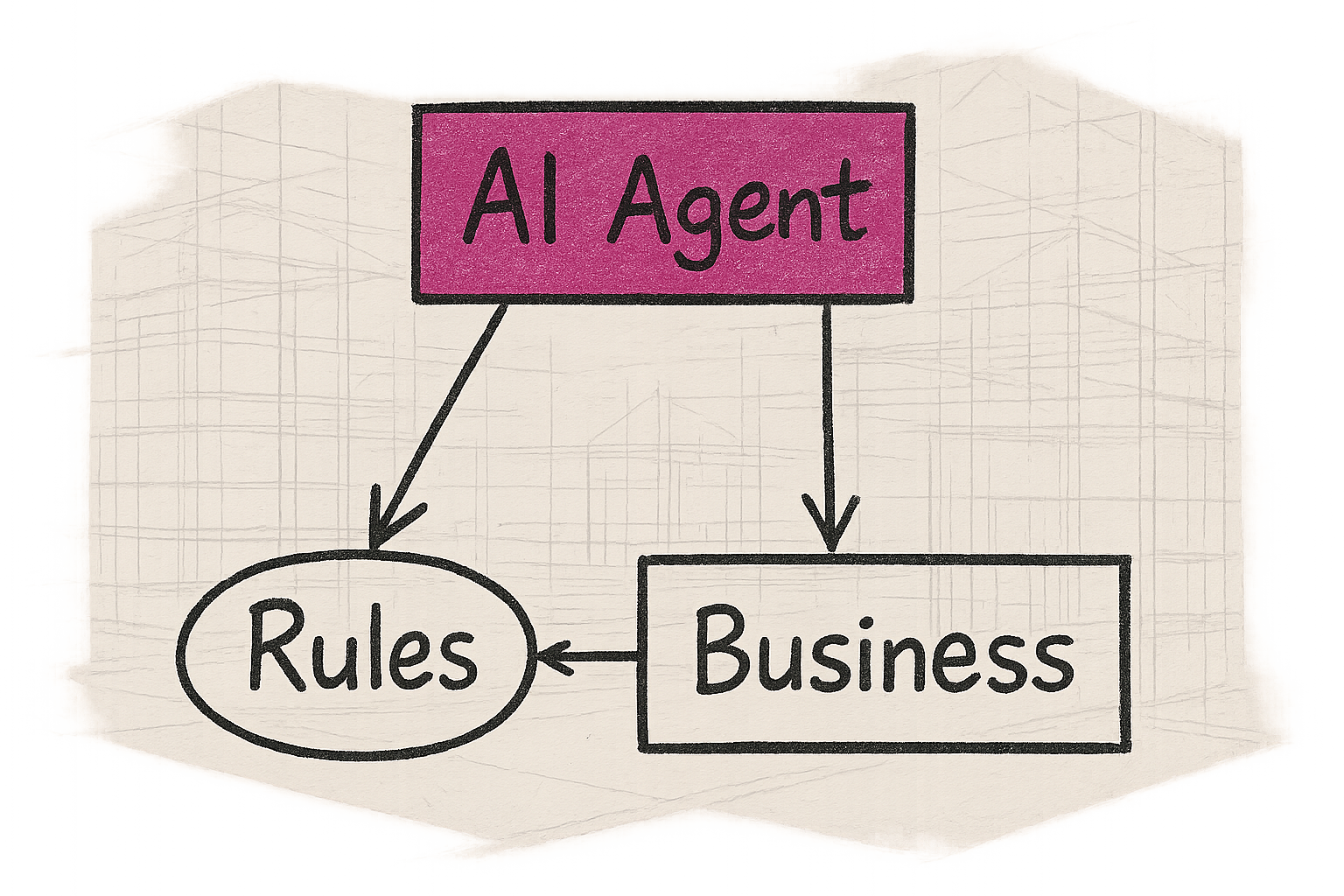
Your AI Agent Will Negotiate Using the Same Rules You Can't Audit Today
Only 3 of 22 major B2B distributors mention agentic AI in SEC filings. That silence isn't a technology lag — it's a signal that agents without governed rules won't survive regulatory, financial, or commercial scrutiny.
Read →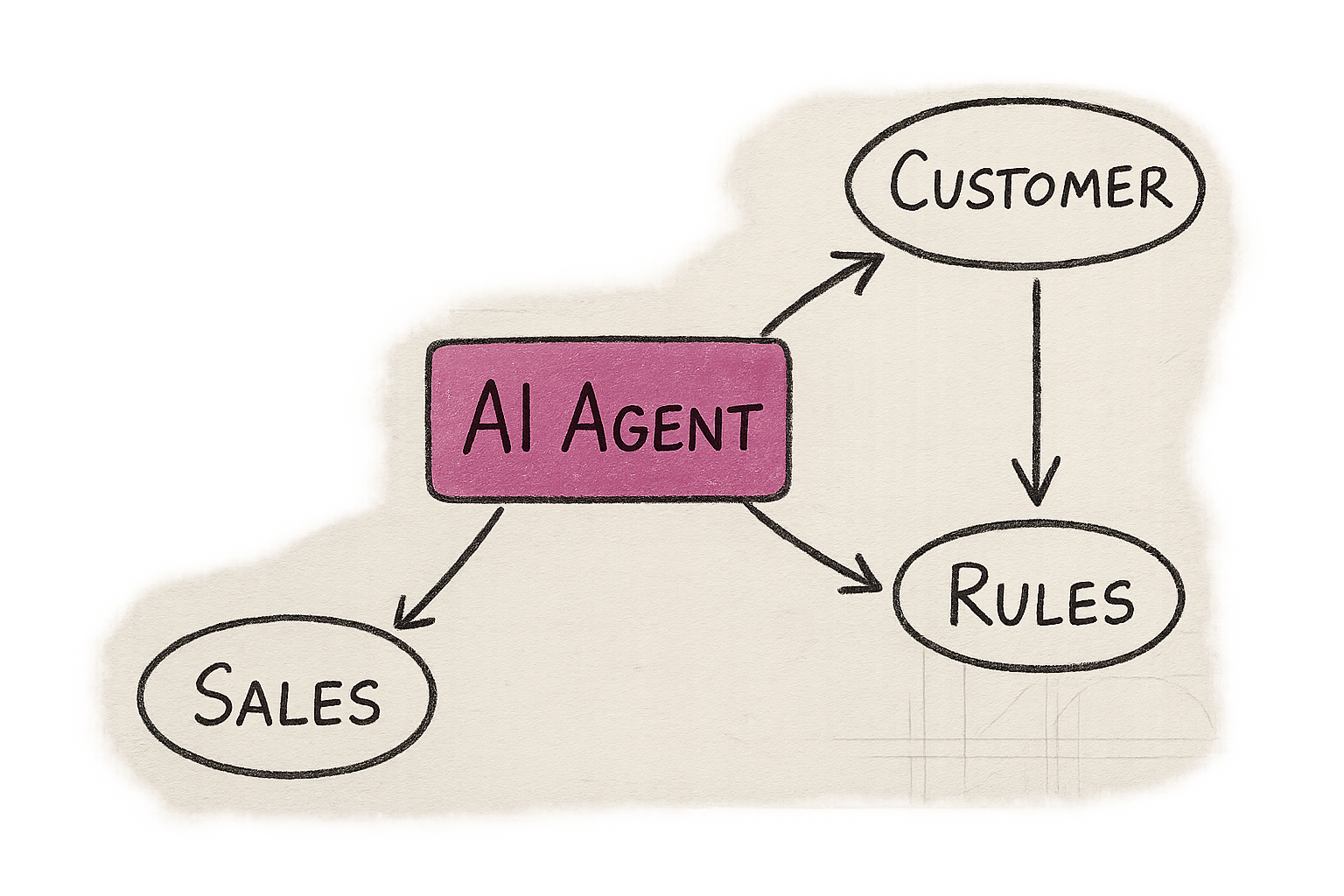
Your AI Agent Is Already Negotiating. Did Anyone Set the Rules?
Autonomous AI agents are already executing commercial tasks on behalf of B2B companies — but most operations haven't defined who authorizes what before deploying them. Without decision governance upstream of automation, the agent doesn't make one mistake: it makes thousands.
Read →
When B2B Negotiation Becomes a Black Box, the Cost Shows Up in Margin — Not in Reports
In B2B operations with customer-specific pricing and deal terms, undocumented negotiation rules erode margin without triggering any report. Governance before automation is what separates real efficiency from scaled chaos.
Read →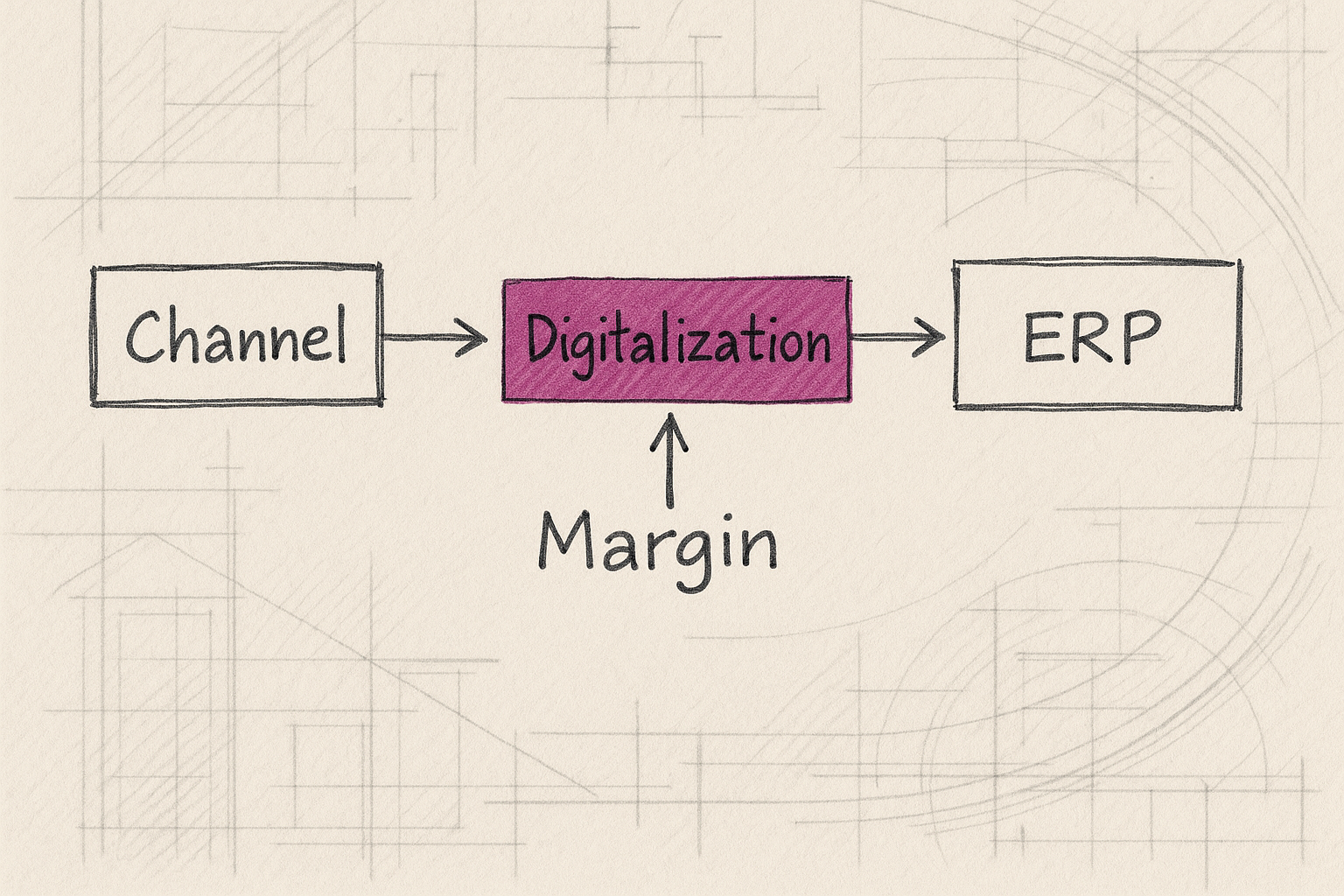
You Digitized the Channel. Why Hasn't Margin Improved?
Many B2B companies have digitized their sales channel while leaving pricing, credit, and mix decisions outside the system. Here's why margin only improves when the sell decision goes digital too.
Read →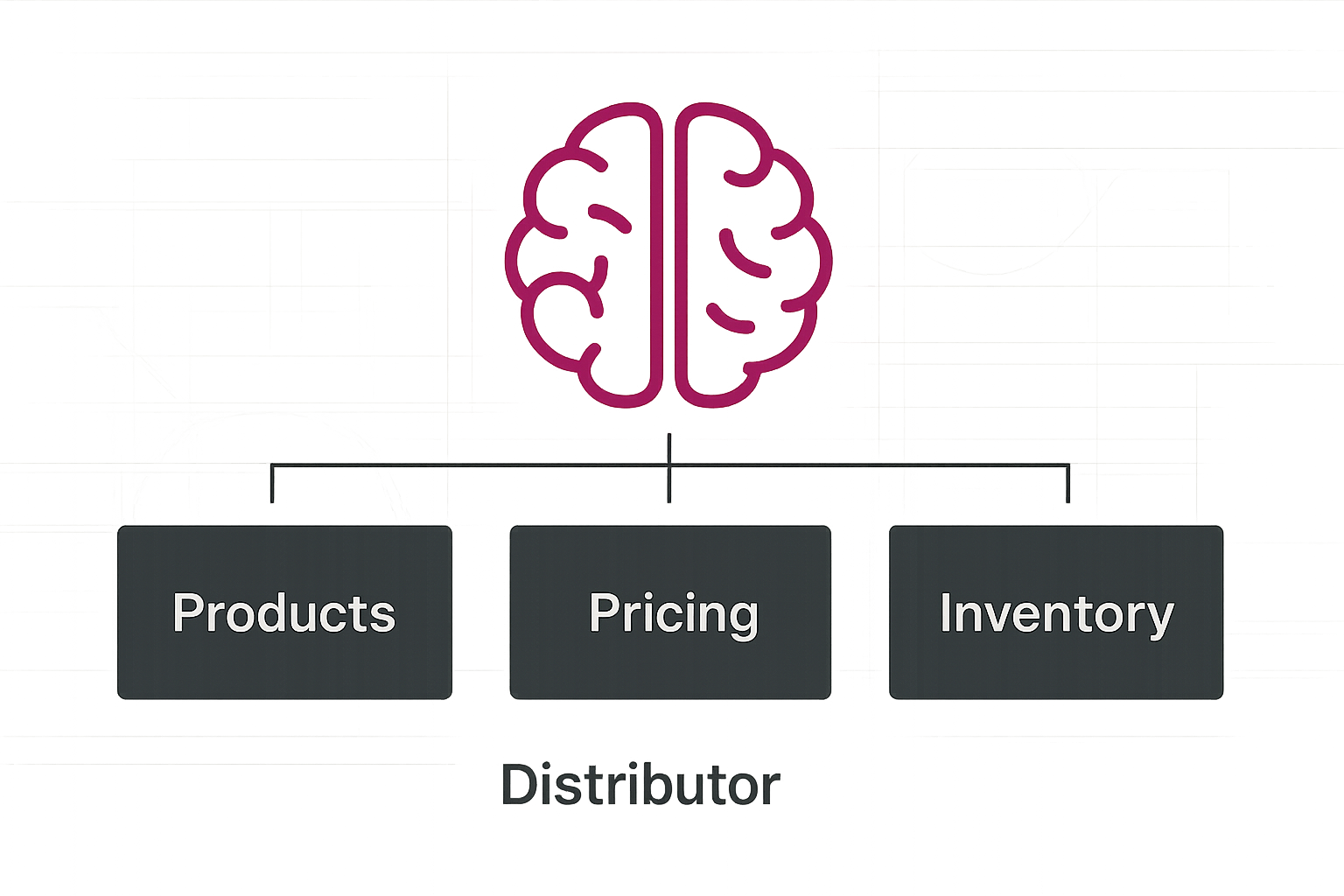
The Distributor Without an Operational Brain Is Making Decisions in the Dark
B2B distributors that scale volume without organizing their internal decision logic erode margins and lose execution capacity — especially when they attempt automation without structure. AI only performs when it has real context to work with.
Read →
The B2B Growth Ceiling Isn't the Market. It's the Org Chart.
Scaling revenue by adding headcount is the default B2B playbook — but it has a structural ceiling. The layer that governs pricing, credit, and approvals is what separates true operational scale from linear growth.
Read →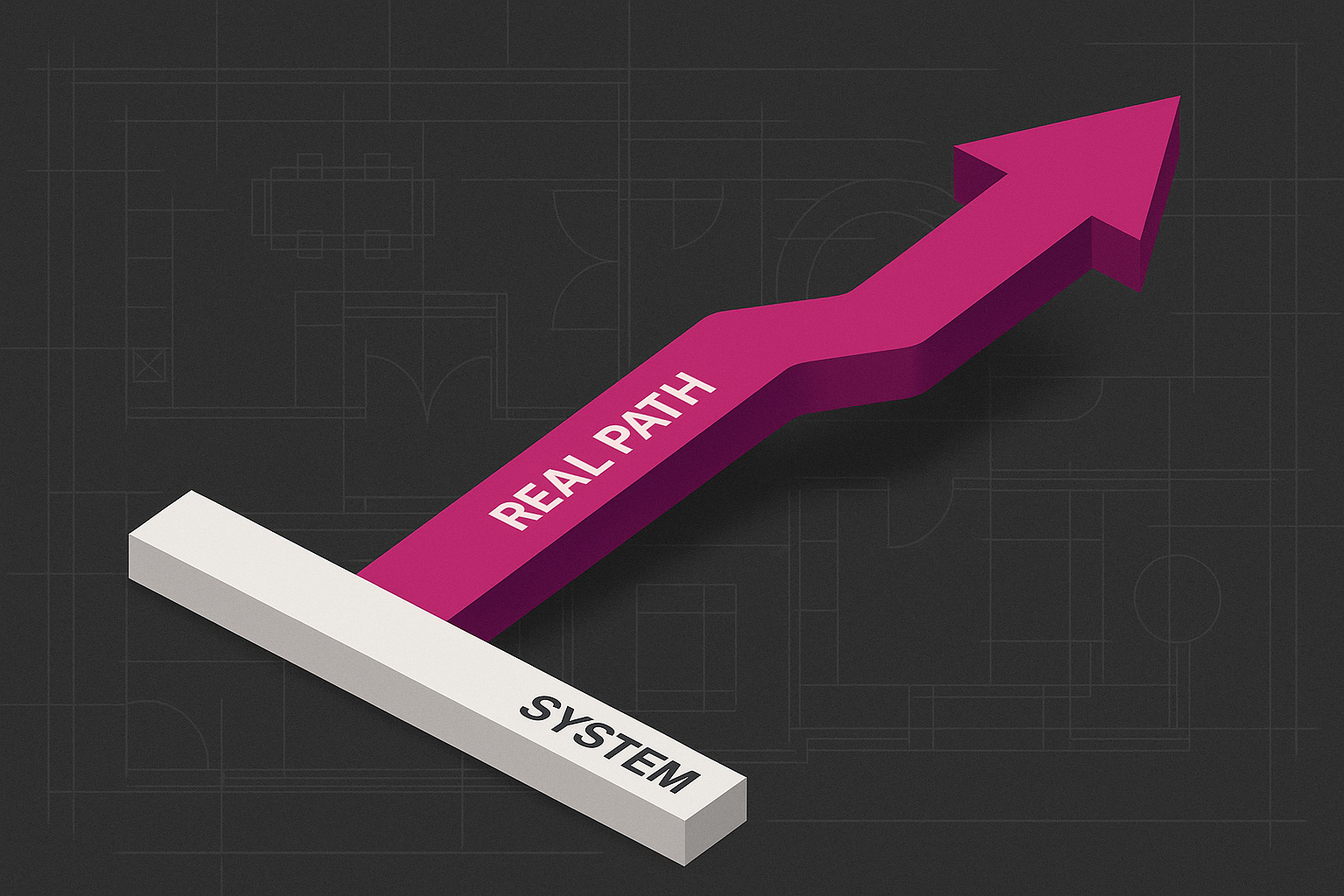
The Rep Knows the Real Path. The System, Not Always.
Every B2B operation runs two versions of the same workflow: the documented process and what the rep actually does to close the deal. The gap between them is where hidden costs accumulate.
Read →
AI Agents Will Run Your B2B Sales Negotiations — and Your Governance Isn't Ready
AI agents execute the commercial logic that already exists — right or wrong, at scale. Before you agentify, the relevant question isn't which agent to use, but which business rules it will actually run.
Read →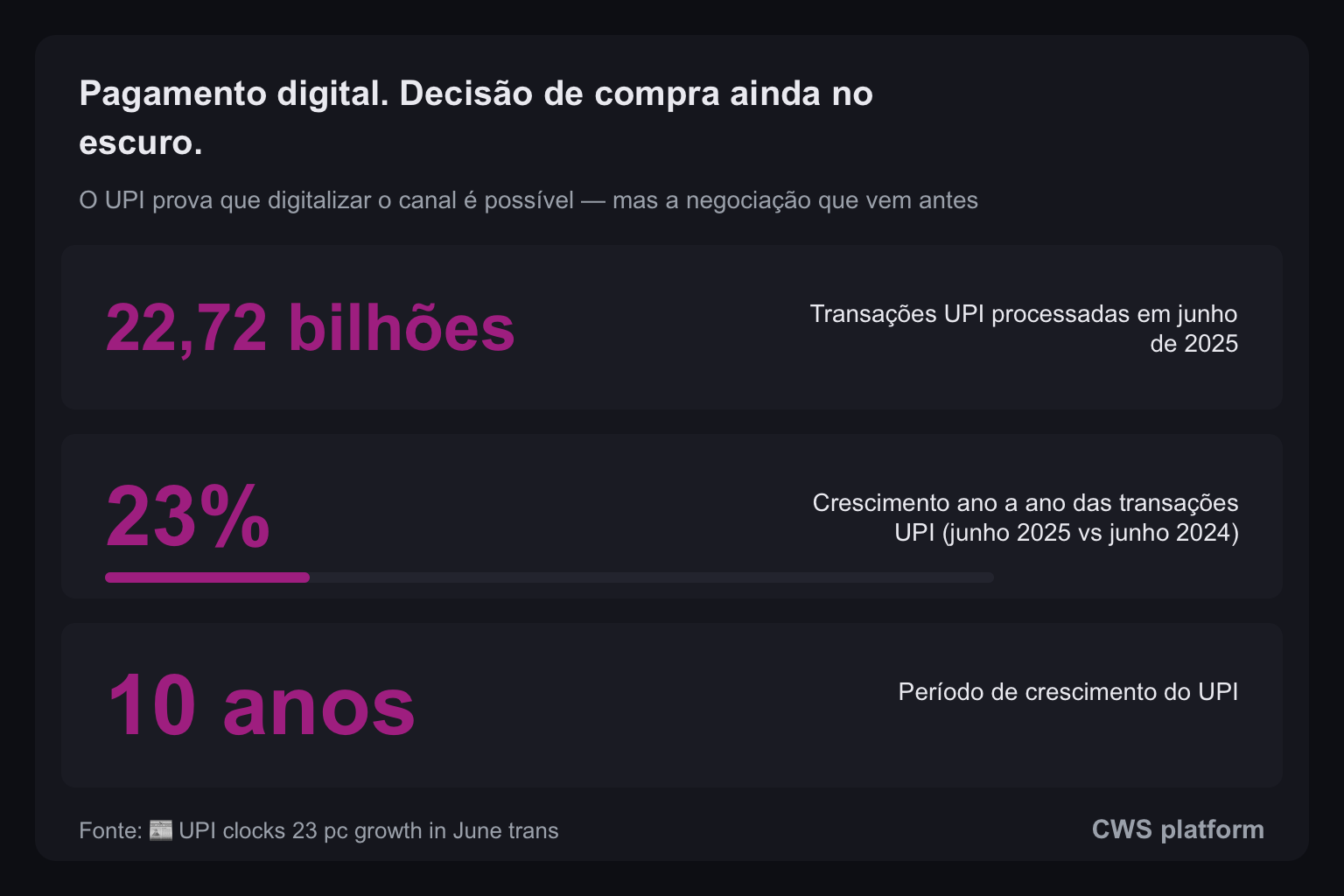
You Digitized the Payment. The Purchase Decision Is Still a Black Box.
India's UPI processed 22.72 billion transactions in June 2025 alone. Digitizing payment rails has been done at historic scale — but in B2B, the payment is the end of the journey. Everything that came before it is still opaque.
Read →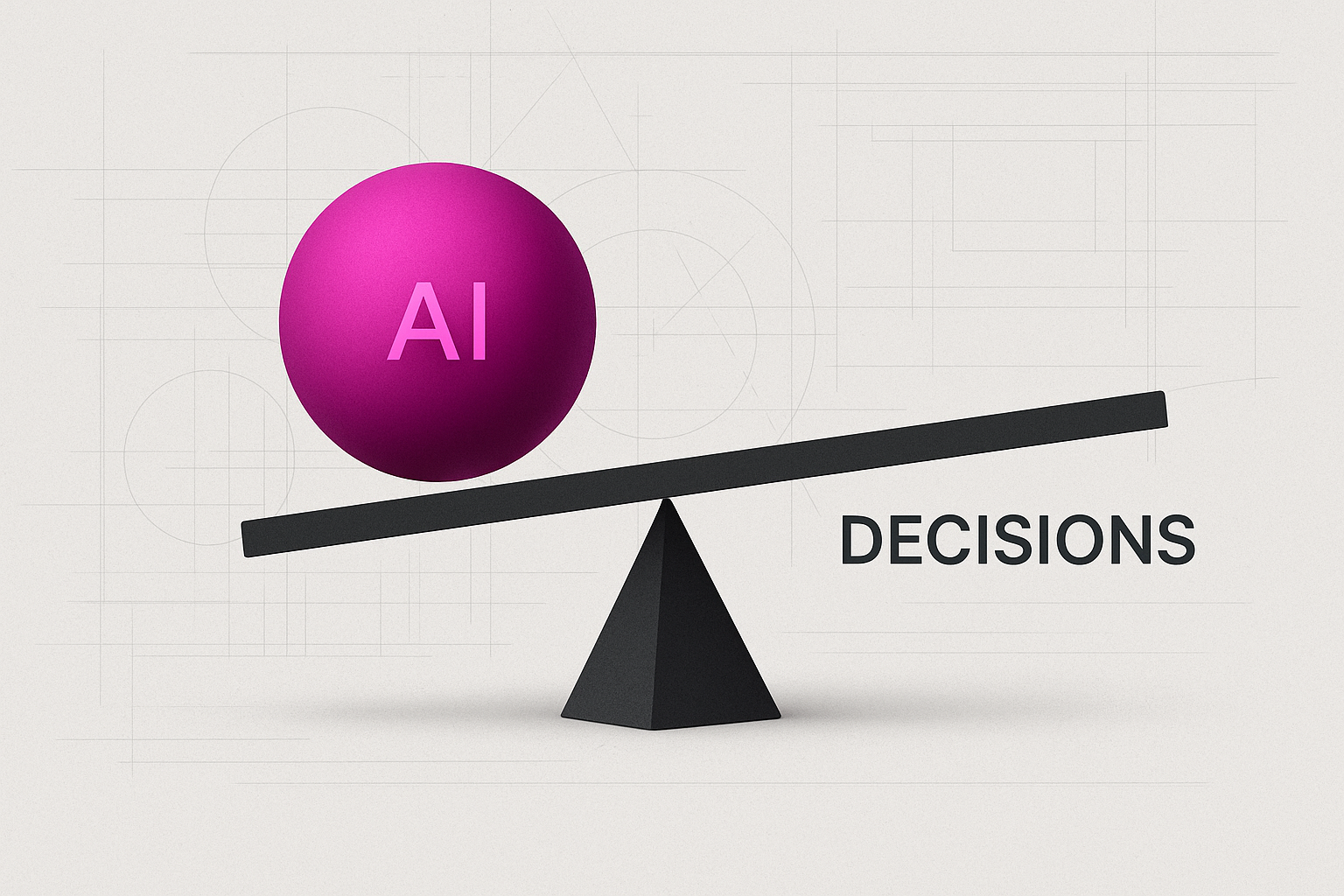
You Want AI Agents in Your Operation, but You Haven't Decided Who Decides What
Autonomous agents are multipliers: they amplify quality when the underlying rule is sound, and amplify error when it's vague or missing. The sequence that works is always the same — govern the decision first, then automate.
Read →
General marketplaces sell more and return less: the math distributors and manufacturers are already doing
General marketplace take rates rise every year: selling more through them means earning less per sale and losing the customer, the data and the price. The answer is your own digital ecosystem in parallell.
Read →
A Quote Is a Proposal Against Your Rules: Why Your Margin Already Leaked by the Time the Rep Names a Price
Every quote is an improvised negotiation against pricing rules nobody centralized. Margin doesn't leak at the close. It leaks at the quote, and no one adds up the bill.
Read →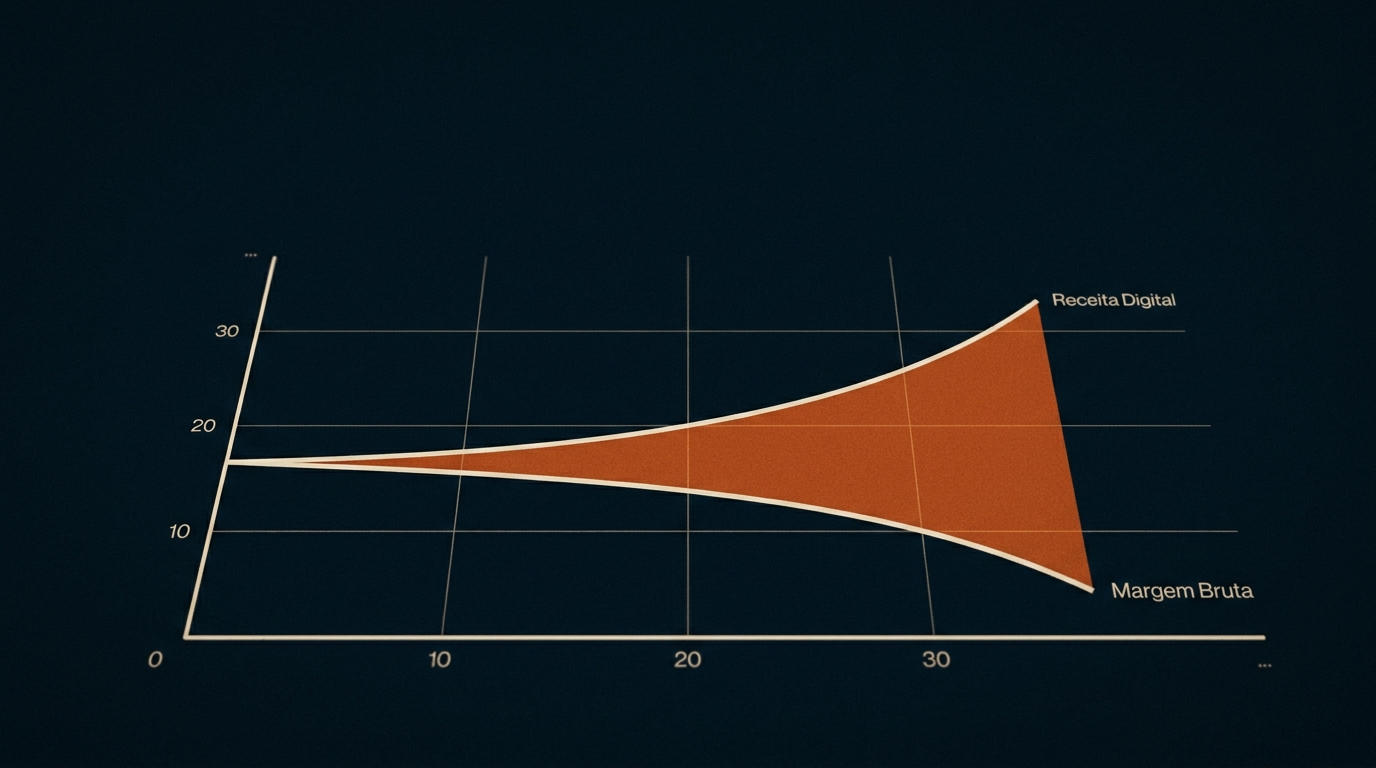
The Next Margin Frontier Is in the Decision
Allied's digital retail grew +39.2% while gross margin fell 4.9pp. Channel is a number; decision is still a promise. The next frontier is digitalizing the decision — price, credit, mix — under governance.
Read →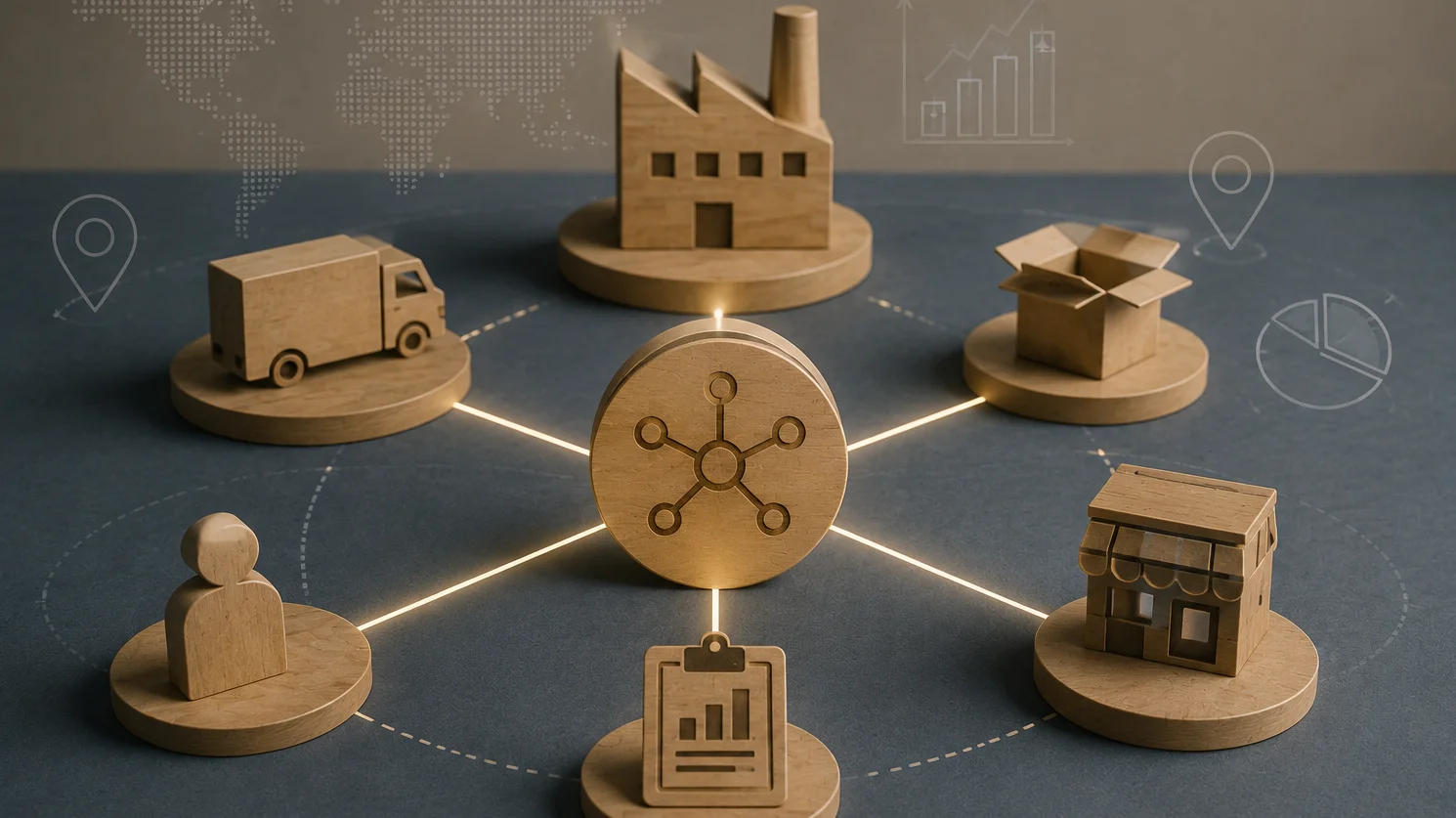
Connecting Suppliers and Dealers to Increase Supply Chain Efficiency and Distribution Visibility
How an industry connects partner suppliers and authorized dealers on a B2B platform to increase supply chain efficiency and generate distribution data visibility
Read →
B2B Price Isn't a Number — It's a Calculation That Changes With Every Context
The same product, sold to two different customers on the same day, can have two correct prices. When the rule that decides which price applies lives scattered, the operation loses money on both ends: it undercharges and margin leaks, or it overcharges and loses the sale.
Read →
Growing Revenue Isn't Growing Margin — and Discount Is Where the Two Split
Selling more and earning more look like the same thing until you check the margin. When the discount policy lives scattered and ungoverned, every extra order may be carrying off a piece of profit no one sees leave.
Read →
When Serving More Customers Demands More Salespeople — and Margin Doesn't Follow
Growing the customer base looks like guaranteed revenue — but if every new customer demands more of a salesperson's time, the cost of selling scales with it and profit doesn't keep up. With three years of Imdepa data, where the invisible ceiling of B2B growth sits.
Read →